Athens Sleep and Wellness Center

Sleep Apnea

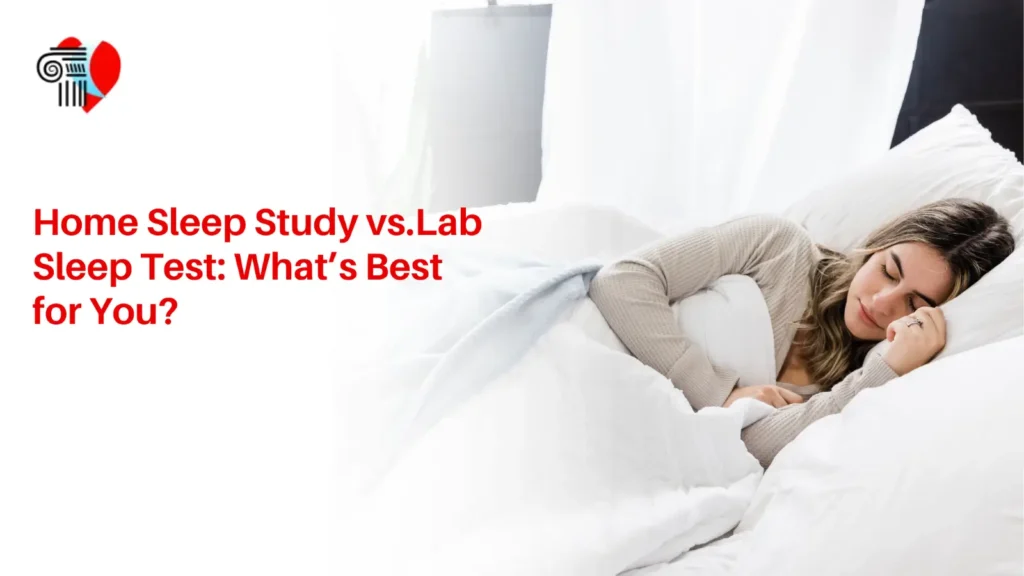
A woman sleeping comfortably in a white bed next to text reading "Home Sleep Study vs. Lab Sleep Test: What's Best for You?"

Home Sleep Study vs.Lab Sleep Test: What’s Best for You?

Home Sleep Study vs.Lab Sleep Test: What’s Best for You? Understanding the Differences Between At Home and In Lab Sleep Testing If you regularly wake up tired, snore loudly, or find yourself struggling to stay awake during the day, your healthcare provider may recommend a sleep study. For many patients, the next question is: Should I have the test at home or spend a night in a sleep center? Both options can help identify sleep related breathing problems, but they are not interchangeable. The right test depends on your symptoms, medical history, and what your sleep specialist needs to learn about your sleep. At Athens Sleep and Wellness Center, we evaluate your individual symptoms and health history to determine which type of sleep testing is most appropriate. What Is a Sleep Study? A sleep study is a diagnostic test that monitors specific functions of your body while you sleep. Depending on the type of test, monitoring may include: Breathing Blood oxygen levels Heart rate Brain activity Eye movements Muscle activity Body movements The information collected can help identify conditions such as obstructive sleep apnea and other sleep disorders. According to the National Heart, Lung, and Blood Institute, sleep studies can help healthcare providers diagnose sleep disorders and determine appropriate treatment. What Is a Home Sleep Study? A home sleep apnea test allows you to undergo sleep testing in your own home. Instead of spending the night at a sleep center, you receive portable monitoring equipment and follow instructions for using it while you sleep. Home testing is commonly used when a healthcare provider suspects obstructive sleep apnea in an appropriate patient. What Does a Home Sleep Study Measure? Depending on the equipment used, a home sleep apnea test may monitor things such as: Breathing patterns Airflow Blood oxygen levels Heart rate Respiratory effort Because you sleep in your own bed, the experience may feel more familiar and convenient than an overnight laboratory study. Advantages of a Home Sleep Study For the right patient, home testing offers several benefits. You Sleep in Your Own Environment: You do not need to spend the night in an unfamiliar room. This can be particularly appealing to people who are concerned they will have difficulty sleeping in a sleep center. It Can Be Convenient: A home sleep study eliminates the need to spend an entire night at a sleep facility. It Focuses on Sleep Apnea: Home sleep apnea testing can be a practical diagnostic option when obstructive sleep apnea is the primary concern and the patient meets the appropriate criteria. However, a home test is not appropriate for everyone. What Is an In Lab Sleep Test? An in lab sleep test, also called an overnight polysomnogram, is performed in a sleep center under professional supervision. During the study, a sleep technologist applies sensors that monitor multiple aspects of your sleep and body activity throughout the night. A laboratory study provides substantially more information than a typical home sleep apnea test. What Does an In Lab Sleep Study Monitor? Depending on the study, monitoring can include: Brain waves Eye movements Muscle activity Heart activity Breathing Airflow Blood oxygen levels Leg movements Body position This detailed information allows a sleep specialist to evaluate not only breathing problems but also sleep stages and certain movement or behavioral abnormalities during sleep. Advantages of an In Lab Sleep Study More Detailed Information: An overnight polysomnogram can provide a comprehensive picture of what happens throughout the night. This makes it particularly useful when your symptoms may involve more than obstructive sleep apnea. Professional Monitoring: A trained sleep technologist monitors the study and ensures the equipment is working properly throughout the night. Evaluation of Multiple Sleep Disorders: An in lab study may be recommended when your provider needs to evaluate conditions that cannot be adequately assessed with a home sleep apnea test. Home Sleep Study vs. Lab Sleep Test Home Sleep Study In Lab Sleep Test Performed in your home Performed in a sleep center Generally used to evaluate suspected obstructive sleep apnea Provides a more comprehensive evaluation Uses portable monitoring equipment Uses multiple sensors and professional monitoring More convenient for appropriate patients Provides more detailed sleep information Does not measure every aspect of sleep Measures sleep stages and additional body functions Not appropriate for every patient May be recommended for more complex symptoms The important point is that more testing is not necessarily better testing. The right test is the one that can answer the clinical questions your provider has about your sleep. Who May Be a Candidate for a Home Sleep Study? A home sleep apnea test may be considered when a healthcare provider has a high suspicion of obstructive sleep apnea and the patient does not have certain complicating medical or sleep conditions. Your provider will consider factors such as: Your symptoms (Snoring, Witnessed breathing pauses, Daytime sleepiness) Medical history Other health conditions Results of your physical examination A sleep specialist can determine whether home testing is appropriate for you. Who May Need an In Lab Sleep Test? An in lab study may be recommended when your symptoms are more complicated or when your provider needs information that a home test cannot provide. This may include situations involving: Suspected sleep disorders other than straightforward obstructive sleep apnea Certain significant medical conditions Previous inconclusive sleep testing Persistent symptoms despite a negative home sleep apnea test Suspected abnormal movements during sleep Unusual nighttime behaviors In these situations, the additional information provided by an in lab study can be valuable. What If a Home Sleep Study Is Negative? A negative home sleep apnea test does not always mean that your sleep is normal. If symptoms strongly suggest sleep apnea but the home test does not provide enough evidence for a diagnosis, your sleep specialist may recommend an in lab polysomnogram. This is one reason professional evaluation matters. The goal is not simply to complete a test. It is to accurately understand what is affecting your sleep. Will You Sleep Normally During

Home Sleep Study vs.Lab Sleep Test: What’s Best for You? Read More »

When Should You See a Sleep Specialist in Athens, GA?

When Should You See a Sleep Specialist in Athens, GA? When Should You See a Sleep Specialist in Athens, GA? Using a CPAP machine is one of the most effective treatments for obstructive sleep apnea, but getting the machine is only the first step. Many patients experience challenges during the first few weeks or months of therapy, including mask leaks, discomfort, dry mouth, pressure issues, or difficulty adjusting to sleeping with their CPAP. If you’re having trouble with your Apria CPAP machine, you don’t have to figure it out alone. At Athens Sleep Center, we partner with Apria to provide comprehensive CPAP support, helping patients throughout Athens, Watkinsville, Oconee County, and Northeast Georgia achieve successful, long-term sleep apnea treatment. Quick Answer If you’re struggling with your Apria CPAP machine, Athens Sleep Center can help. Through our partnership with Apria, we provide CPAP machine setup, personalized mask fitting, therapy education, troubleshooting, follow-up care, and ongoing support to help you stay comfortable and get the most from your sleep apnea treatment. Why CPAP Support Matters Many people stop using their CPAP machine within the first few months, not because CPAP therapy doesn’t work, but because they don’t receive enough guidance and support. Common reasons patients stop using CPAP include: Mask leaks Air pressure that feels too strong or too weak Dry mouth or nasal dryness Skin irritation from the mask Difficulty sleeping while wearing the mask Machine noise Uncertainty about cleaning and maintenance These issues are common and often have simple solutions when addressed early. That’s why ongoing support is an important part of successful sleep apnea treatment. Common Apria CPAP Machine Problems If you’re using an Apria-supplied CPAP machine, you may experience challenges such as: CPAP Mask Leaks A poorly fitting mask can reduce therapy effectiveness and make it difficult to sleep comfortably. Our team helps identify the right mask style and fit to improve comfort and reduce air leaks. Dry Mouth or Dry Nose Dryness is often caused by airflow or humidity settings. Small adjustments and proper humidifier use can significantly improve comfort. Difficulty Adjusting to CPAP It’s normal for new users to need time to adapt. Education, gradual adjustment strategies, and follow-up support can help improve long-term success. CPAP Pressure Feels Uncomfortable If your therapy feels uncomfortable, don’t stop using your machine without speaking to your sleep specialist. We’ll evaluate your concerns and help determine the best next steps. Questions About Cleaning and Maintenance Regular cleaning of your mask, tubing, humidifier, and filters helps keep your equipment working properly and supports better therapy. Comprehensive CPAP Support Through Our Partnership With Apria Athens Sleep Center is committed to helping patients succeed with CPAP therapy, not just during diagnosis, but throughout their treatment journey. Through our partnership with Apria, eligible patients can receive comprehensive CPAP support, including: CPAP machine setup Personalized mask fitting CPAP therapy education Equipment guidance Troubleshooting common CPAP concerns Follow-up appointments Ongoing therapy support Whether you’re using CPAP for the first time or you’ve been on therapy for years, our goal is to help you stay comfortable, confident, and committed to treatment. Who Can Benefit From CPAP Support? Our CPAP support services are designed for: Newly diagnosed sleep apnea patients Current Apria CPAP users Patients struggling with CPAP therapy Individuals who stopped using their CPAP machine Patients experiencing mask discomfort or leaks Anyone needing CPAP education or follow-up support Even if you’ve been using your CPAP machine for months, addressing small issues can make a significant difference in your comfort and treatment success. Why Choose Athens Sleep Center? At Athens Sleep Center, we believe successful sleep apnea treatment requires more than simply prescribing a CPAP machine. Our team provides personalized care every step of the way, including: Comprehensive sleep evaluations Home sleep study options Individualized treatment plans CPAP education and support Mask fitting assistance Follow-up care Collaboration with Apria for ongoing equipment support Our patient-centered approach helps improve comfort, encourage consistent therapy use, and support better long-term health. Serving Athens and Northeast Georgia Athens Sleep Center proudly serves patients throughout: Athens, GA Watkinsville Oconee County Northeast Georgia Whether you’re beginning CPAP therapy or looking for help with your existing Apria CPAP machine, our experienced team is here to support your journey toward better sleep. Frequently Asked Questions Can Athens Sleep Center help with my Apria CPAP machine? Yes. Through our partnership with Apria, we provide CPAP setup assistance, mask fitting, education, troubleshooting, and follow-up support. What should I do if my CPAP mask keeps leaking? A leaking mask often needs adjustment or a different size or style. Our team can help determine the best fit for improved comfort and effectiveness. Is it normal to have trouble adjusting to CPAP? Yes. Many patients need time to adapt. Education, proper mask fitting, and ongoing support can make the transition much easier. Should I stop using my CPAP if it feels uncomfortable? No. Instead, schedule a follow-up appointment so your concerns can be evaluated and addressed. Many common CPAP issues have practical solutions. Get Expert CPAP Support Today If you’re having trouble with your Apria CPAP machine, don’t let discomfort keep you from getting the restful sleep you deserve. Athens Sleep and Wellness Center provides expert CPAP support through our partnership with Apria, including machine setup, mask fitting, therapy education, troubleshooting, and ongoing follow-up care. If you’re ready to improve your CPAP experience, schedule a sleep consultation or contact our sleep team today. We’re proud to help patients across Athens, Watkinsville, Oconee County, and Northeast Georgia breathe easier, sleep better, and enjoy healthier lives.

When Should You See a Sleep Specialist in Athens, GA? Read More »

Person holding their leg due to Restless Legs Syndrome (RLS) discomfort beside text reading Restless Legs Syndrome (RLS): What It Is and How It Affects Sleep.

Restless Legs Syndrome (RLS): What It Is and How It Affects Sleep

Restless Legs Syndrome (RLS): What It Is and How It Affects Sleep Understanding the Symptoms, Causes, and Treatment Options for a Common Sleep-Disrupting Condition By Athens Sleep and Wellness Center Do you experience an overwhelming urge to move your legs when you are trying to relax or fall asleep? Do uncomfortable sensations in your legs seem to improve only when you walk around or stretch? If these symptoms occur regularly, you may have Restless Legs Syndrome (RLS), also known as Willis-Ekbom disease. Although many people dismiss it as a minor annoyance, Restless Legs Syndrome can significantly disrupt sleep, making it difficult to fall asleep, stay asleep, and feel rested the next day. Left untreated, it can affect your energy, mood, work performance, and overall quality of life. At Athens Sleep and Wellness Center, we help patients identify sleep disorders like Restless Legs Syndrome and develop personalized treatment plans that improve sleep quality and overall well-being. What Is Restless Legs Syndrome? Restless Legs Syndrome is a neurological condition characterized by an irresistible urge to move the legs, usually accompanied by uncomfortable sensations. People often describe these sensations as: Crawling Tingling Pulling Aching Itching Throbbing Electric-like sensations These symptoms typically occur during periods of rest, particularly in the evening or at night, and are temporarily relieved by movement. According to the National Institute of Neurological Disorders and Stroke, Restless Legs Syndrome affects millions of adults and can interfere significantly with sleep and daily functioning. https://www.ninds.nih.gov/health-information/disorders/restless-legs-syndrome Why Does RLS Affect Sleep? Most people experience symptoms when they are sitting quietly, lying down, or trying to fall asleep. As soon as they become comfortable, the uncomfortable sensations begin. Walking, stretching, or moving the legs often provides temporary relief, but the symptoms usually return once movement stops. This cycle can repeat throughout the evening, making it difficult to fall asleep and causing frequent awakenings during the night. Many people with RLS wake up feeling unrefreshed despite spending enough time in bed. Common Symptoms of Restless Legs Syndrome Symptoms vary from person to person but commonly include: An overwhelming urge to move the legs Uncomfortable sensations deep within the legs Symptoms that worsen during rest Temporary relief with movement Symptoms that become more noticeable in the evening or at night Difficulty falling asleep Frequent nighttime awakenings Daytime fatigue Although the legs are most commonly affected, some people experience similar symptoms in their arms. What Causes Restless Legs Syndrome? The exact cause is not always known, but researchers believe RLS is related to changes in how the brain regulates movement. Several factors may increase the risk, including: Iron Deficiency Low iron levels are one of the most common treatable causes of Restless Legs Syndrome. Even people without anemia may have low iron stores that contribute to symptoms. Family History RLS often runs in families, particularly when symptoms begin before age 40. Pregnancy Some women develop Restless Legs Syndrome during pregnancy, especially during the third trimester. Symptoms often improve after delivery. Chronic Medical Conditions Certain health conditions are associated with a higher risk of RLS, including: Chronic kidney disease Diabetes Peripheral neuropathy Parkinson’s disease Certain Medications Some medications may worsen Restless Legs Syndrome symptoms. Examples include certain antihistamines, antidepressants, and medications used to treat nausea. Your healthcare provider can determine whether medications may be contributing to your symptoms. How Is Restless Legs Syndrome Diagnosed? There is no single test that confirms Restless Legs Syndrome. Diagnosis is based primarily on your symptoms, medical history, and physical examination. Your sleep specialist may ask: When do your symptoms occur? Do they improve with movement? Do they interfere with sleep? Is there a family history of RLS? Are you taking any medications? Do you have any chronic medical conditions? Blood tests may also be recommended to evaluate iron levels and rule out other medical conditions. Could It Be Something Else? Several conditions can cause symptoms similar to Restless Legs Syndrome. These include: Muscle cramps Peripheral neuropathy Arthritis Poor circulation Leg muscle strain A comprehensive evaluation helps determine the correct diagnosis and appropriate treatment. Treatment Options for Restless Legs Syndrome Treatment depends on the severity of your symptoms and whether an underlying cause is identified. Lifestyle Changes Simple changes may help reduce symptoms, including: Maintaining a consistent sleep schedule Exercising regularly, but avoiding intense activity close to bedtime Limiting caffeine and alcohol Avoiding nicotine Stretching before bed Treating Underlying Conditions Correcting iron deficiency or managing chronic medical conditions may significantly improve symptoms. Medication For moderate to severe Restless Legs Syndrome, prescription medications may be recommended to help reduce symptoms and improve sleep. Your healthcare provider will determine which treatment is most appropriate based on your medical history and symptom severity. Why Early Evaluation Matters Many people live with Restless Legs Syndrome for years before seeking medical care. Unfortunately, untreated RLS can lead to: Chronic sleep deprivation Daytime fatigue Difficulty concentrating Mood changes Reduced work performance Lower overall quality of life Early diagnosis allows treatment to begin before sleep disruption significantly affects your health. A Simple Self Assessment Answer the following questions to check if you may benefit from a professional sleep evaluation: Do I feel an uncontrollable urge to move my legs while resting? Yes No Do uncomfortable sensations improve when I walk or stretch? Yes No Are my symptoms worse in the evening or at bedtime? Yes No Do these sensations make it difficult to fall asleep? Yes No Do I wake up feeling tired despite spending enough time in bed? Yes No Have my symptoms continued for several weeks or longer? Yes No View My Assessment Results Assessment Complete Close Frequently Asked Questions 1. What is Restless Legs Syndrome? Restless Legs Syndrome is a neurological condition that causes an irresistible urge to move the legs, particularly during periods of rest or at bedtime. 2. Is Restless Legs Syndrome a sleep disorder? RLS is considered a sleep-related movement disorder because it frequently interferes with falling asleep and staying asleep. 3. Can iron deficiency cause RLS? Yes. Low iron stores are one

Restless Legs Syndrome (RLS): What It Is and How It Affects Sleep Read More »

Healthy fruits, vegetables, dumbbells, and water bottle illustrating lifestyle changes to improve sleep quality.

How Lifestyle Changes Improve Sleep Quality

How Lifestyle Changes Improve Sleep Quality Simple Daily Habits That Can Help You Sleep Better and Wake Up Feeling Rested Many people assume that poor sleep is simply a part of getting older or living a busy life. They struggle to fall asleep, wake up multiple times during the night, or feel exhausted even after spending enough time in bed. While some sleep problems are caused by medical conditions such as sleep apnea or insomnia, many people can improve their sleep quality by making healthy lifestyle changes. Your daily habits influence your body’s natural sleep wake cycle more than you may realize. Small adjustments to your routine can help you fall asleep more easily, sleep more soundly, and wake up feeling refreshed. At Athens Sleep and Wellness Center, we help patients identify both lifestyle factors and underlying sleep disorders that may be affecting their sleep. Often, healthy sleep habits are an important part of a personalized treatment plan. Why Sleep Quality Matters Getting enough sleep is important, but so is getting quality sleep. High quality sleep allows your body and brain to recover, regulate hormones, strengthen the immune system, and support memory and concentration. Poor sleep has been linked to an increased risk of: Heart disease High blood pressure Type 2 diabetes Obesity Depression Anxiety Reduced immune function According to the Centers for Disease Control and Prevention, adults should aim for at least seven hours of sleep each night for optimal health. https://www.cdc.gov/sleep/about_sleep/how_much_sleep.html Maintain a Consistent Sleep Schedule One of the most effective ways to improve sleep is to go to bed and wake up at the same time every day. Your body operates on an internal clock known as the circadian rhythm. Maintaining a regular schedule helps reinforce this natural rhythm, making it easier to fall asleep and wake up naturally. Try to keep your sleep schedule consistent even on weekends. Frequent changes in bedtime can make it harder for your body to know when it is time to sleep. Create a Relaxing Bedtime Routine Your body needs time to transition from a busy day into restful sleep. Developing a calming bedtime routine signals your brain that it is time to wind down. Helpful bedtime habits include: Reading a book Taking a warm bath or shower Practicing meditation Gentle stretching Deep breathing exercises Listening to calming music Avoid stimulating activities that increase mental alertness before bed. Limit Screen Time Before Bed Smartphones, tablets, computers, and televisions emit blue light that can interfere with melatonin production. Melatonin is the hormone that helps regulate your sleep wake cycle. Using electronic devices immediately before bedtime may make it more difficult to fall asleep. Experts often recommend avoiding screens for at least one hour before going to bed whenever possible. Watch What You Eat and Drink Your eating habits can influence sleep quality. Consider these healthy practices: Avoid large meals close to bedtime. Limit caffeine during the afternoon and evening. Reduce alcohol consumption before bed. Stay hydrated throughout the day without drinking excessive fluids immediately before bedtime. Although alcohol may make you feel sleepy initially, it often disrupts normal sleep later in the night. Stay Physically Active Regular exercise supports both physical health and healthy sleep. People who exercise consistently often fall asleep more quickly and experience deeper sleep. The Physical Activity Guidelines for Americans recommend that adults engage in regular physical activity throughout the week to support overall health. Try to avoid vigorous exercise immediately before bedtime if it seems to make falling asleep more difficult. Optimize Your Sleep Environment Your bedroom should promote rest and relaxation. A comfortable sleep environment includes: A cool room temperature Minimal noise Comfortable bedding Limited light A supportive mattress and pillow Many people also benefit from removing televisions and minimizing distractions in the bedroom. Manage Stress Throughout the Day Stress is one of the most common causes of poor sleep. When your mind remains active at bedtime, falling asleep becomes much more difficult. Healthy stress management techniques include: Mindfulness meditation Yoga Journaling Deep breathing Regular exercise Talking with a trusted friend or counselor Managing stress during the day often leads to better sleep at night. Get Natural Sunlight Every Day Exposure to natural light helps regulate your body’s internal clock. Morning sunlight tells your brain it is time to be awake, while darkness later in the evening encourages melatonin production. Spending time outdoors during the day can strengthen your circadian rhythm and improve nighttime sleep. Know When Lifestyle Changes Are Not Enough While healthy habits can significantly improve sleep, they cannot treat every sleep disorder. If you continue to experience symptoms despite making lifestyle changes, an underlying medical condition may be contributing to your sleep problems. Common sleep disorders include: Sleep apnea Chronic insomnia Restless Legs Syndrome Circadian rhythm disorders Narcolepsy These conditions often require professional evaluation and treatment. According to the American Academy of Sleep Medicine, untreated sleep disorders can affect both physical health and daytime functioning. If you continue to struggle with poor sleep despite making healthy lifestyle changes, Athens Sleep and Wellness Center is here to help. https://aasm.org When Should You See a Sleep Specialist? Schedule a sleep evaluation if you: Regularly sleep fewer than seven hours despite trying to improve your habits Snore loudly or stop breathing during sleep Wake up gasping for air Feel tired every day despite spending enough time in bed Have difficulty falling asleep several nights each week Frequently wake up during the night Experience excessive daytime sleepiness Persistent sleep problems should not be considered a normal part of life. A Simple Self Assessment Answer the following questions to review your current sleep habits: Do I go to bed at different times every night? Yes No Do I use my phone or tablet right before bed? Yes No Do I drink caffeine late in the day? Yes No Do I often feel stressed when trying to fall asleep? Yes No Do I wake up feeling tired most mornings? Yes No Have my sleep problems lasted longer than

How Lifestyle Changes Improve Sleep Quality Read More »

A woman lying awake in bed looking exhausted, featuring the text 'Understanding Insomnia: Causes, Symptoms, and Long Term Solutions' and the Athens Sleep and Wellness Center logo.

Understanding Insomnia: Causes, Symptoms, and Long Term Solutions

Understanding Insomnia: Causes, Symptoms, and Long Term Solutions Why You Cannot Sleep and What You Can Do About It Almost everyone experiences a sleepless night from time to time—a stressful day, an upcoming deadline, or a family concern. Occasional difficulty sleeping is normal. But when falling asleep or staying asleep becomes a regular struggle, it may be more than just a bad night. It may be insomnia. Millions of adults live with insomnia, yet many assume it is simply something they have to accept. They try over-the-counter sleep aids, change their bedtime, or hope the problem will eventually disappear. Unfortunately, untreated insomnia often becomes worse over time and can affect nearly every aspect of physical and mental health. The good news is that insomnia is treatable, and the first step is understanding what is causing it. What Is Insomnia? Insomnia is a sleep disorder that makes it difficult to fall asleep, stay asleep, or wake feeling rested, even when there is enough opportunity for sleep. Some people struggle to fall asleep, others wake repeatedly during the night, and some wake very early and cannot return to sleep. Regardless of the pattern, the result is the same: the body never gets the restorative sleep it needs. According to the American Academy of Sleep Medicine, chronic insomnia affects millions of adults and can significantly impact health, safety, and quality of life. Source: American Academy of Sleep Medicine Common Causes of Insomnia Insomnia rarely has a single cause. Instead, it often develops from a combination of physical, emotional, and lifestyle factors. Some of the most common causes include: Stress and anxiety Depression Chronic pain Poor sleep habits Irregular work schedules Caffeine or alcohol use Certain medications Underlying medical conditions Sleep disorders such as sleep apnea Sometimes insomnia begins after a stressful event but continues long after the original trigger has passed. Symptoms That Should Not Be Ignored Insomnia affects much more than nighttime sleep. During the day, patients may experience: Persistent fatigue Difficulty concentrating Memory problems Mood changes Reduced productivity Increased irritability Difficulty making decisions Many patients describe feeling physically exhausted while their minds remain unable to relax. These symptoms can interfere with work, relationships, and overall well-being. How Insomnia Affects Your Health Sleep is when the body repairs itself. Without adequate sleep, every major organ system is affected. Long-term insomnia has been associated with an increased risk of: High blood pressure Heart disease Stroke Type 2 diabetes Depression Anxiety Reduced immune function According to the National Heart, Lung, and Blood Institute, ongoing sleep deficiency increases the risk of numerous chronic health conditions, including cardiovascular disease. Sleep is not simply about feeling rested; it is an essential part of long-term health. Source: National Heart, Lung, and Blood Institute Could Another Sleep Disorder Be Causing Your Insomnia? Many people believe they have insomnia when another sleep disorder is actually responsible. Conditions such as obstructive sleep apnea, restless legs syndrome, circadian rhythm disorders, or certain neurological conditions may interrupt sleep repeatedly throughout the night. Treating the underlying condition often improves sleep dramatically. This is why a comprehensive sleep evaluation is so important when symptoms persist. Healthy Sleep Habits Can Make a Difference Small changes often improve sleep quality. Maintaining a consistent bedtime and wake time, limiting caffeine late in the day, reducing screen time before bed, and creating a quiet sleep environment may all help improve sleep. However, lifestyle changes alone are not always enough. When insomnia becomes chronic, a professional evaluation is often necessary to identify the underlying cause. Modern Treatment Goes Beyond Sleeping Pills Many patients assume medication is the only solution. In reality, treatment depends on what is causing the insomnia. Options may include: Behavioral sleep therapy Treatment of underlying medical conditions Stress management strategies Lifestyle modifications Medication when appropriate Management of other sleep disorders The goal is not simply helping someone fall asleep for one night. The goal is restoring healthy, long-term sleep. According to the American College of Physicians, Cognitive Behavioral Therapy for Insomnia (CBT-I) is recommended as the first-line treatment for adults with chronic insomnia. Source: American College of Physicians When Should You See a Sleep Specialist? Many patients wait months or even years before seeking help. You should consider scheduling a sleep evaluation if: Difficulty sleeping continues for several weeks Fatigue affects work or daily activities You rely on sleep medications regularly You wake feeling unrefreshed most mornings Your partner notices loud snoring or pauses in breathing You feel anxious about going to bed because you know you will not sleep Early diagnosis often leads to more effective treatment and better long-term outcomes. A Simple Self Assessment Ask yourself honestly: Do I struggle to fall asleep most nights? Do I wake frequently during the night? Do I wake feeling tired despite spending enough time in bed? Has poor sleep affected my mood, memory, or concentration? Have my sleep problems lasted longer than a month? If you answered yes to several of these questions, it may be time for a professional sleep evaluation. Frequently Asked Questions 1. What is the difference between occasional poor sleep and insomnia? Occasional poor sleep is temporary. Insomnia is persistent difficulty falling asleep, staying asleep, or waking refreshed despite adequate opportunity for sleep. 2. What causes insomnia? Stress, anxiety, chronic pain, medical conditions, medications, poor sleep habits, and other sleep disorders are common causes. 3. Can insomnia affect heart health? Yes. Long-term sleep deprivation has been linked to high blood pressure, heart disease, and stroke. 4. Is it safe to take sleeping pills every night? Not always. Long-term medication use should always be discussed with a healthcare provider. 5. Can sleep apnea cause insomnia symptoms? Yes. Many patients with sleep apnea experience frequent awakenings and poor sleep quality. 6. What is the best treatment for chronic insomnia? Treatment depends on the underlying cause, but Cognitive Behavioral Therapy for Insomnia (CBT-I) is often recommended as the first-line approach. 7. When should I seek professional help? If sleep problems continue for several weeks or begin

Understanding Insomnia: Causes, Symptoms, and Long Term Solutions Read More »

Exhausted adult man wearing glasses rubbing his eyes at an office desk, illustrating excessive daytime sleepiness and narcolepsy signs.

Narcolepsy in Adults: Signs, Testing, and Care Options

Narcolepsy in Adults: Signs, Testing, and Care Options When Excessive Daytime Sleepiness Is More Than Just Being Tired Most adults feel tired occasionally. A late night. A stressful work week. Poor sleep habits. These situations can leave anyone feeling exhausted. But what if you are getting enough sleep and still struggle to stay awake during the day? What if you find yourself fighting sleep during meetings, conversations, meals, or even while driving? For some adults, excessive daytime sleepiness is not simply fatigue. It may be narcolepsy. Narcolepsy is a neurological sleep disorder that affects the brain’s ability to regulate sleep and wakefulness. While it is relatively uncommon, many people live with symptoms for years before receiving an accurate diagnosis. Understanding the warning signs can be the first step toward improving both safety and quality of life. What Is Narcolepsy? Narcolepsy is a chronic neurological disorder that disrupts the brain’s sleep-wake cycle. People with narcolepsy often experience overwhelming daytime sleepiness even after what appears to be a full night’s sleep. Unlike normal tiredness, the urge to sleep can become sudden, intense, and difficult to control. According to the National Institute of Neurological Disorders and Stroke, narcolepsy affects the brain’s ability to regulate sleep and wake states normally. Source: National Institute of Neurological Disorders and Stroke Because symptoms often develop gradually, many adults mistake narcolepsy for stress, burnout, depression, or poor sleep habits. Common Signs of Narcolepsy in Adults The most recognizable symptom is excessive daytime sleepiness. Patients often describe feeling exhausted regardless of how much sleep they get. Some may experience sudden sleep attacks where they fall asleep unexpectedly during routine activities. Other symptoms can include: Difficulty staying alert during the day Automatic behaviors performed without full awareness Poor concentration and memory Vivid dream-like experiences while falling asleep or waking up Sleep paralysis These symptoms can affect work performance, relationships, and daily functioning. What Is Cataplexy? Some individuals with narcolepsy experience a symptom called cataplexy. Cataplexy causes sudden muscle weakness triggered by strong emotions such as laughter, excitement, surprise, or anger. A person may experience: Drooping eyelids Jaw weakness Slurred speech Buckling knees Temporary loss of muscle control Importantly, the person remains conscious during these episodes. Cataplexy is considered one of the hallmark features of Narcolepsy Type 1. Why Narcolepsy Is Often Misdiagnosed Many adults go years without receiving the correct diagnosis. The symptoms can resemble several other conditions, including: Sleep deprivation Depression Anxiety Obstructive sleep apnea Chronic fatigue Medication side effects Because excessive sleepiness has many possible causes, specialized sleep evaluation is often necessary. How Narcolepsy Is Diagnosed A detailed sleep history is usually the first step. Sleep specialists evaluate symptoms, sleep patterns, medical history, and contributing factors. Testing may include an overnight sleep study followed by a Multiple Sleep Latency Test. The overnight sleep study helps identify other sleep disorders that may be contributing to symptoms. The Multiple Sleep Latency Test measures how quickly a person falls asleep during scheduled daytime naps and whether rapid eye movement sleep occurs unusually early. According to the American Academy of Sleep Medicine, these tests remain key tools in diagnosing narcolepsy and other hypersomnia disorders. Source: American Academy of Sleep Medicine Why Accurate Diagnosis Matters Narcolepsy is more than an inconvenience. Untreated symptoms can significantly affect safety and overall health. Excessive sleepiness increases the risk of: Motor vehicle accidents Workplace injuries Reduced productivity Academic difficulties Mental health challenges The sooner symptoms are identified, the sooner treatment can begin. Care and Treatment Options While narcolepsy has no cure, effective treatment options are available. Treatment plans are individualized and may include: Wake-promoting medications Scheduled daytime naps Sleep hygiene improvements Lifestyle adjustments Management of associated symptoms such as cataplexy The goal is to improve alertness, functioning, and quality of life. Most patients experience significant improvement when the condition is properly managed. Living Well With Narcolepsy Many adults are surprised to learn that a diagnosis of narcolepsy does not mean giving up normal activities. With proper treatment and ongoing medical support, many people successfully maintain careers, family responsibilities, social lives, and physical activity. The key is recognizing the condition and seeking help rather than assuming constant exhaustion is normal. A Simple Self-Assessment Ask yourself honestly: Do I feel excessively sleepy during the day despite getting adequate sleep? Have I ever fallen asleep unexpectedly during routine activities? Do I struggle to stay alert during meetings, conversations, or while driving? Have I experienced temporary muscle weakness triggered by strong emotions? Has daytime sleepiness started affecting my work, relationships, or daily life? If the answer is yes to several of these questions, a professional sleep evaluation may be appropriate. Frequently Asked Questions 1. What is the main symptom of narcolepsy? Excessive daytime sleepiness is the most common and recognizable symptom. 2. Is narcolepsy caused by poor sleep habits? No. Narcolepsy is a neurological sleep disorder rather than simply a lifestyle issue. 3. Can adults develop narcolepsy? Yes. Symptoms often begin during adolescence or early adulthood but may go undiagnosed for years. 4. What is cataplexy? Cataplexy is sudden muscle weakness triggered by strong emotions while remaining fully conscious. 5. How is narcolepsy diagnosed? Diagnosis typically involves a sleep evaluation, overnight sleep study, and Multiple Sleep Latency Test. 6. Can narcolepsy be treated? Yes. While there is no cure, medications and lifestyle strategies can significantly improve symptoms. 7. When should I see a sleep specialist? If excessive daytime sleepiness is persistent or affecting daily life, professional evaluation is recommended. The Bottom Line Feeling tired after a busy week is normal. Constant sleepiness despite adequate sleep is not. Narcolepsy is a real medical condition that affects the brain’s ability to regulate wakefulness and sleep. Recognizing the symptoms early can lead to diagnosis, treatment, and a better quality of life. Take the Next Step If excessive daytime sleepiness is affecting your safety, productivity, or overall well-being, do not ignore the signs. At Athens Sleep and Wellness Center, we provide comprehensive sleep evaluations and personalized treatment plans for narcolepsy and other sleep disorders.

Narcolepsy in Adults: Signs, Testing, and Care Options Read More »

Blog title graphic for 'Breathe Easier: The Life-Changing Benefits of CPAP Therapy' showing a man transitioning from poor sleep to using a CPAP machine and visiting a health clinic.

Breathe Easier: The Life-Changing Benefits of CPAP Therapy and Why  Ongoing Care is Crucial

Breathe Easier: The Life-Changing Benefits of CPAP Therapy and Why Ongoing Care is Crucial If you are struggling with poor sleep, snoring, daytime fatigue, or waking up exhausted, it may be more than just a bad night’s rest. Obstructive Sleep Apnea (OSA) is a serious, hidden epidemic. It doesn’t just drain your daily energy; it severely threatens your long-term cardiovascular and metabolic health. As a board-certified cardiologist and sleep medicine specialist with over 45 years of experience, I have seen firsthand how brain health, mood, and heart function are intimately connected to the quality of your sleep. At the Athens Sleep and Wellness Center, managed alongside the Athens Heart Center, we believe that prescribing a Continuous Positive Airway Pressure (CPAP) machine is only the first step. True success requires structured, expert follow-up to ensure your therapy is comfortable, highly effective, and actively protecting your cardiovascular system. The True Value of CPAP Therapy: A Cost-Effective Lifesaver Many patients wonder if the time, effort, and adjustment period required to adapt to CPAP therapy are truly worth it. The clinical and economic data say unequivocally: yes. Undiagnosed and untreated sleep apnea places a massive financial and physical burden on patients. In the United States alone, untreated OSA costs an estimated $150 billion annually due to increased emergency room visits and treatments for preventable downstream cardiovascular diseases. However, treating OSA with a CPAP is one of the most cost-effective interventions in modern medicine. When analyzing the Incremental Cost-Effectiveness Ratio (ICER) per Quality-Adjusted Life Year (QALY), the financial metrics reveal astonishing value: Metric Category Estimated Value / Impact Standard Cost per QALY (U.S.) ~$3,400 Societal Cost per QALY $310 (Accounting for reduced work absenteeism and improved productivity) Annual Accident Prevention Prevents an estimated 567,000 motor vehicle accidents per year Beyond the economics, CPAP therapy dramatically improves your health-related quality of life, eliminates daytime sleepiness, lowers mean HbA1c (Hemoglobin A1c) levels for diabetics, and reduces premature mortality in severe cases. It functions as a powerful, non-invasive “pneumatic splint” to protect your heart from the strain of chronic, nightly oxygen deprivation. Our Approach: Remote Patient Monitoring and Annual Clinical Evaluations A CPAP machine cannot protect your heart if it sits unused in a closet. To guarantee the best long-term health outcomes, the Athens Sleep and Wellness Center utilizes a two-pronged, proactive approach: Monthly Remote Patient Monitoring (RPM): Modern CPAP devices are equipped with secure cellular technology. This allows our clinical team to monitor your nightly usage patterns, mask leaks, and your tracking Apnea-Hypopnea Index (AHI). By evaluating this data monthly, we can preemptively spot mechanical issues, adjust your pressure settings remotely, and provide timely telehealth coaching before minor discomforts turn into reasons to abandon therapy. Annual CPAP Efficacy Checks: Your body changes over time, and so do the pressure requirements of your airway. Weight fluctuations, age, and changes in routine cardiovascular medications can all impact how well your device performs. We recommend an in-clinic appointment at least once a year to physically inspect your equipment, evaluate your clinical symptoms, and ensure your settings are fully optimizing your biological health. Do You Need a CPAP Clinic Appointment? 5 Self-Assessment Questions If you currently use a CPAP machine, ask yourself the following five questions. If you answer “yes” to any of them, it is time to call our clinic for an efficacy check: Are you still snoring, waking up gasping for air, or experiencing morning headaches despite using your CPAP? This often indicates that your pressure settings are too low to keep your airway open. Do you wake up feeling bloated, gassy, or frequently belching? This is a condition called aerophagia, meaning you are swallowing air because your CPAP pressure may be set too high. Are you experiencing severe dry mouth, nasal irritation, or frequent nosebleeds? Your humidifier and heated tubing settings likely need adjustment, or your mask style may be leaking excessively. Have you recently gained or lost 10 pounds or more? Significant weight changes directly alter the physical landscape of your airway and the amount of pressure required to keep it stable. Do you struggle with claustrophobia or difficulty exhaling against the incoming air? Our clinical team can adjust your pressure relief settings (such as EPR) or transition you to an auto-adjusting device for enhanced comfort. Top 10 Frequently Asked Questions About Sleep Apnea and CPAP 1. What exactly is Obstructive Sleep Apnea (OSA)? OSA occurs when the muscles in the back of your throat relax excessively during sleep, causing the soft tissue of your airway to collapse. This completely blocks air from entering your lungs, triggering sudden drops in blood oxygen levels and forcing your brain to constantly wake you up to breathe. 2. What happens if I leave my sleep apnea untreated? Untreated OSA triggers a chronic systemic stress response that spikes blood pressure and heart rate. Over time, this drastically increases your absolute risk for hypertension, dangerous heart arrhythmias (like Atrial Fibrillation), heart attacks, strokes, insulin resistance, and type 2 diabetes. 3. Why should a cardiologist manage my sleep apnea? The brain, heart, and sleep architecture are intrinsically linked. Because sleep apnea places immense structural strain on the cardiovascular system, having a dual-certified specialist in both cardiology and sleep medicine ensures that your treatment targets heart protection while optimizing your daily rest. 4. How does CPAP therapy fix sleep apnea? CPAP works by delivering a continuous, calculated stream of pressurized air through a specialized mask. This air acts as a constant “pneumatic splint,” pushing gently against the walls of your throat to prevent the airway from collapsing while you sleep. 5. What is the “right” CPAP pressure? There is no universal correct pressure; it is entirely customized to your specific anatomy and OSA severity. Most commercial machines operate dynamically between 4 cm H₂O and 20 cm H₂O, with the average person requiring between 8 cm H₂O and 10 cm H₂O. 6. What is “CPAP Rainout” and how do I stop it? Rainout occurs when the warm, humidified air from your CPAP cools too

Breathe Easier: The Life-Changing Benefits of CPAP Therapy and Why  Ongoing Care is Crucial Read More »

Welcome to Athens Sleep and Wellness Center

Welcome to Athens Sleep and Wellness Center Medically Reviewed by:Subodh K. Agrawal, MD, FACCMedical Director, Medical Office Force Located at 2005 Prince Avenue, Athens, GA 30606, Athens Sleep & Wellness Center enables individuals to sleep better and live better. Headed by Dr. Subodh Agrawal, board-certified sleep medicine specialist, the center blends the latest technology with individual attention. We provide home sleep testing and evidence-based therapy plans for sleep disorders like sleep apnea, insomnia, narcolepsy, hypersomnia, parasomnias, and circadian rhythm disorders. We aim to make sleep care easy, cozy, and efficient for every person. Sleep disorders are common. According to the CDC, an estimated 50–70 million Americans suffer from chronic sleep and wakefulness disorders(CDC). Sleep is not lost time; it’s a valuable investment in humans. Consequences of Poor Sleep The consequences of poor sleep are numerous. Firstly, proper sleep enables people to learn better, make better choices, and prepare for upcoming work. Additionally, sleep benefits the body by healing, balancing hormones, and fortifying the immune system.  At Athens Sleep & Wellness Center, we believe sleep is far more important for peak performance at work and good health, rather than a minor health issue. Sleep loss harms creativity and weakens productivity. People who ignore this valuable resource risk more burnout, mistake, and lost potential. Sleep Related Problems and Our Solutions Sleep Apnea Diagnosis & Treatment: We utilize state-of-the-art monitoring systems for home testing, to keep interruptions to a minimum and define individualized treatment protocols (e.g., CPAP)  Insomnia Solutions: We work with chronic insomnia by utilizing research-based treatments and behavioral treatments written expressly for high-achievement professionals, long past generic advice for effective, long-term results. Treatment of Narcolepsy: Our experts offer best treatments for daytime sleepiness and other symptoms, including management of challenges at work. Idiopathic Hypersomnia Support: For recurring, unknown fatigue, we undertake meticulous checks and render committed assistance to rekindle employee energy and interest. Managing Parasomnia & Sleepwalking: We recognize how crucial it is to maintain workplace safety, so we discreetly identify and manage problematic nocturnal behavior, maintaining personal health and organizational reputation. Circadian Rhythm Disorder Solutions: We provide science-based techniques of resyncing sleep patterns of people impacted by work shifts, jet journeys, or alternating hours, thereby enabling corporations to better sustain stamina and productivity. Why Patients Choose Athens Sleep & Wellness Center, GA What our center offers: our physician present at sleep center is sleep medicine certified, we will help you to diagnose sleep disorders – you are at good hands at Athens Sleep & Wellness Center, GA Integrated Services: All parts of care, like talking to a doctor, managing health, and diagnosing problems, are done in one place to make everything smooth and efficient. Customized Plans: A custom-designed plan is given to each individual based on their problems. We design our testing procedures to be quick and precise, reducing downtime and getting you better performance faster. Continuous Assistance: Sleep health is a continuous process. We provide constant coaching, verification, and enhancement of programs for long-term advantages. Confidentiality and Comfort: We think it’s important to keep things private and create a comfortable space where staff can ask for help easily. AASM Accreditation: Our American Academy of Sleep Medicine accreditation verifies our adherence to industry’s highest standards. Organizations which invest appropriately in sleep health perform significantly better than those which fail to invest. Take the First Step Toward Restful Sleep If restless nights or daytime fatigue are holding you back, it’s time to take the first step. A home sleep study with Athens Sleep & Wellness Center can help identify what’s disrupting your rest. From there, our team will work with you to develop a personalized plan that fits your lifestyle and helps you regain energy, focus, and vitality. 📍 Visit us at 2005 Prince Avenue, Athens, GA 📞 Call 706-613-6990 🌐 Learn more at ahcsleepcenter.com

Welcome to Athens Sleep and Wellness Center Read More »

 The Cost of Not Getting Enough Sleep

The Cost of Not Getting Enough Sleep Why does sleep matter more than you think? We’ve all learned that we need sleep. But when hectic work demands, family, TV, computer, stress sleep gets shortchanged. At AHC Sleep Center, we see daily how forgotten sleep snowballs into serious issues. Perhaps you suffer from insomnia, sleep apnea, poor-quality sleep, abnormal sleeping patterns, or just short hours. Whatever the problem, costs spill over into every dimension of your being: socially, economically, psychologically, spiritually, physically. What AHC Sleep Center Provides Before we go over costs, a quick look at the features of our center: We are an AASM-Accredited Sleep Disorder Center providing comprehensive evaluation and treatment. We diagnose and treat sleep disorders like insomnia, sleep apnea, narcolepsy, idiopathic hypersomnia; parasomnias like sleepwalking; circadian rhythm sleep. Our mission is assisting you in sleeping easily again. Social Costs  Bad sleeping doesn’t only steal from you but from those around you. Suffering relationships: When we are tired, minor annoyances seem bigger. Patience becomes thinner. Smooth‐going discussions become arguments when we are deprived of sleep. Less intimacy & connection: One feels less able to be present at family dinners, talk with children, catch up with friends. Withdrawal from society is adopted as a way of coping. Safety & trust: Have you ever driven or worked heavy equipment when you were fatigued? Sleep disorders like sleep apnea leave you extremely fatigued during the day, which could introduce accidents not only threatening you but anyone around you. Financial Costs The drain on income, productivity, and healthcare is real and measurable. Lower work efficiency: Poor sleeping impairs concentration, memory, reaction time, and creativity. That’s mistakes, deadlines blown, slow work. That accumulates over time: lost productivity, forgone opportunities. Presenteeism & absenteeism: You could physically go to work but you will often be performing way beneath your potential. Other days you won’t be able to show up because illness thrives when you haven’t slept. Either way costs you (and your business). Medical costs: Untreated sleeping disorders usually usher in comorbidities, hypertension, diabetes, cardiovascular disease requiring ongoing medication. Sleep apnea by itself escalates odds of serious cardiovascular issues. Accidents and liability: On the job or on the highway, sleep‐deficit errors open the door for potential accidents. Property damage costs, medical costs, income losses, and fines will occur. Psychological Costs  Sleep and psychiatric illness are two companions that travel side-by-side. Mood disorders: Chronic insomnia greatly raises the risk of depression and anxiety. Stress reactions, irritability, and emotional upsets are aggravated by sleep deprivation. Cognitive impairment: Memory consolidation happens while sleeping. When you lack adequate quality sleeping hours, learning, concentration, decision‐making are impaired. Nearly every brain activity that is dependent on rest is compromised. Emotional regulation: Decreased capacity for emotion regulation. Fatigue decreases stress and resistance to frustration, and even small disappointments become overwhelming. Chronic psychiatric effects: Untreated sleeping disorder or insomnia could both be an etiologic factor as well as a consequence of psychiatric disease. Both have a tendency of worsening each other, giving rise to adverse feedback. Physiological Cost  Under the hood, a lot goes wrong when sleep is insufficient or interrupted. When you sleep, your body fights off infections. Without sufficient restorative sleep, your resistance decreases. You could become ill more frequently, and heal more slowly. Disruption of hormones and metabolism: Sleep deprivation affects hunger and satiety hormones (leptin, ghrelin), raises cortisol, and could result in weight gain, insulin resistance, even type 2 diabetes. Cardiovascular disease issues: Untreated sleeping apnea and ongoing slumber deprivation tightly linked with high blood pressure, increased heart attack susceptibility, stroke. Slumber interruptions are not innocuous. Physical recovery & performance suffer: Muscles repair, growth happens, inflammation is regulated while sleeping. Bad sleeping affects sports or daily physical performance negatively, decreases stamina, and slows down injury recovery. Higher risk of death in total: Numerous studies confirm ongoing chronic, unremitted sleep disorders and sustained sleep debt are associated with increased risk of major disease, even early death. What To Do About It Keeping in view the wide array of poor sleep expenses, there are steps that you could take specifically with the assistance of AHC Sleep Center. Be evaluated if you believe you have a sleeping disorder. Insomnia, apnea, circadian rhythm disruptions, parasomnias appropriate diagnostic step is one. Follow treatment guidelines: Whether CPAP for obstructive sleep apnea, treatments for insomnia, or lifestyle adjustments, following them consistently does make a difference. Enhance sleep hygiene: Regular sleep schedule, limited use of screens before sleeping, no heavy meal/caffeine at night, sleeping environment. Track and control stress: Stress and anxiety are contributors towards sleeping disturbance. Relaxation, mindfulness, or counseling may prove beneficial. Stay connected with your care provider: Insomnia often changes over time. Follow-up regularly ensures treatments change. Final Word  The cost of bad sleep is quiet but can’t be ignored: it insinuates itself into relationships, drains your work life, undermines your health, and leaches your sense of purpose. At Athens Sleep & Wellness Center, we aim to stop that decline so you may regain restful sleep, enhanced health, and a rich, substantive life. If you suffer from insomnia, sleep apnea, or any type of troubled sleep yourself, or if you know of someone who does, don’t wait. Call Athens Sleep & Wellness Center. Because good sleep’s not only more pleasant, it’s essential.

 The Cost of Not Getting Enough Sleep Read More »

Home Sleep Study in Athens, GA

Home Sleep Study: Everything You Need to Know Before You Book Medically Reviewed by:Subodh K. Agrawal, MD, FACCMedical Director, Medical Office Force You’re not alone — and it’s not “just stress.” Many people in Athens, GA are living with undiagnosed sleep apnea, a condition that quietly affects your breathing, focus, energy levels, and heart health. While traditional sleep studies are done in a lab, that environment can feel unfamiliar or even overwhelming for some. That’s where home sleep studies come in — a safe, accurate, and comfortable way to get tested from your own bed. In this guide, we answer the most common questions about home sleep studies so you can feel confident and informed before booking your test with Athens Sleep and Wellness Center. 1. What is a home sleep study? A home sleep study is a simple, non-invasive test you do while sleeping in your own bed. It uses a small device to monitor: Breathing patterns Oxygen levels Heart rate Snoring and sleep position This helps us determine if you have obstructive sleep apnea (OSA), a serious but treatable sleep disorder where your airway gets blocked repeatedly during the night. Unlike traditional in-lab tests that require you to sleep in a hospital bed, home sleep studies are done in your familiar environment, which can improve both your comfort and the accuracy of your results. 2. Why would I need a sleep study? You may benefit from a sleep study if you: Snore loudly Wake up gasping or choking Feel exhausted during the day Have high blood pressure or headaches Forget things or feel irritable often You are told you stop breathing while asleep Sleep apnea can increase your risk of heart disease, stroke, and diabetes. A sleep study is your first step to diagnosing and treating it early. Sleep disorders often go undiagnosed because their symptoms are subtle or dismissed as normal fatigue. But sleep apnea can be dangerous if left untreated. A home sleep study allows you to take control of your health conveniently and affordably. 3. How is a home sleep study different from an in-lab test? Feature Home Sleep Study In-Lab Sleep Study Where Your bed, at home Hospital or sleep lab What it measures Breathing, heart rate, oxygen, and snoring Brain waves, eye movement, and muscle activity Comfort High – Natural routine Lower – Clinical setting Best for Sleep apnea (mild to moderate) Rare/complex sleep disorders Cost More affordable Typically more expensive According to MedlinePlus, home sleep tests are reliable and cost-effective for most people with suspected sleep apnea. They are especially helpful for patients who prefer not to stay overnight at a sleep center or hospital. 4. What’s included in the home sleep study kit? At Athens Sleep and Wellness Center, your test kit includes: A finger sensor (like a pulse oximeter) A chest belt to track breathing effort Easy setup instructions Access our care team if you need help The device is compact, comfortable, and FDA-approved. It’s designed to collect accurate sleep data without disrupting your normal sleeping pattern. 5. What is the process like? It’s simple: Consultation – We determine if the home sleep test is right for you. Device Pickup or Delivery – We provide the testing kit and instructions. Sleep at Home – Wear the sensors while sleeping naturally. Return the Device – Drop it off the next day. Get Results – We analyze the data and call you with results in a few days. Treatment Plan – If needed, we help you begin CPAP or other therapies. 6. What if I don’t sleep enough? Even if you sleep for just 2–4 hours, we can often gather enough data. If the test isn’t conclusive, we’ll repeat it or guide you on the next steps, at no extra stress to you. You don’t need to stress about having a “perfect night” of sleep. Just relax and follow your usual bedtime routine. 7. What should I avoid before and during the sleep study? Before bedtime: Avoid caffeine after noon Avoid alcohol or sleep aids Don’t apply lotions or gels that may interfere with sensors During the test: Don’t remove or adjust the device unnecessarily Don’t nap before the study Try to follow your normal sleep routine Creating the right environment (quiet, cool, and dark) can also help you fall asleep more easily during the test night. 8. How soon will I get my results? You’ll typically hear from us within 3–5 business days. Our sleep specialists will review your data and explain what it means in plain language. We ensure you understand every part of your report and the steps that follow. 9. Will insurance cover a home sleep study? Yes—most insurance plans, including Medicare, cover home sleep tests if medically necessary. We’ll help verify your benefits and handle the paperwork. Our team is experienced in working with a wide range of insurance providers and will ensure everything is done smoothly. 10. What if I don’t have insurance? We offer affordable self-pay pricing to make care accessible to all.  Self-pay starts at: Home Sleep Study: $ Follow-up consultation: Included CPAP therapy (if needed): Pricing varies by need Ask about flexible payment options; we’re here to work with you. 11. What happens after the diagnosis? If your results show sleep apnea, we’ll help you understand your options: CPAP therapy Oral appliance therapy Lifestyle changes (weight loss, sleep position) Ongoing support and follow-up care We personalize every treatment plan to your lifestyle, preferences, and health goals. Why This Matters At Athens Sleep and Wellness Center, we’ve seen lives transform after a single night of testing. Patients who used to fall asleep at stoplights, fight constant fatigue, or worry about heart disease are finally sleeping deeply and waking up truly rested. Sleep is not a luxury; it’s a necessity. Poor sleep affects your heart, brain, mood, energy, and long-term health. You deserve the same energy, clarity, and peace of mind that quality sleep brings. Ready to Take the First Step?  Located in Athens, GA, we’re here

Home Sleep Study in Athens, GA Read More »

Scroll to Top