
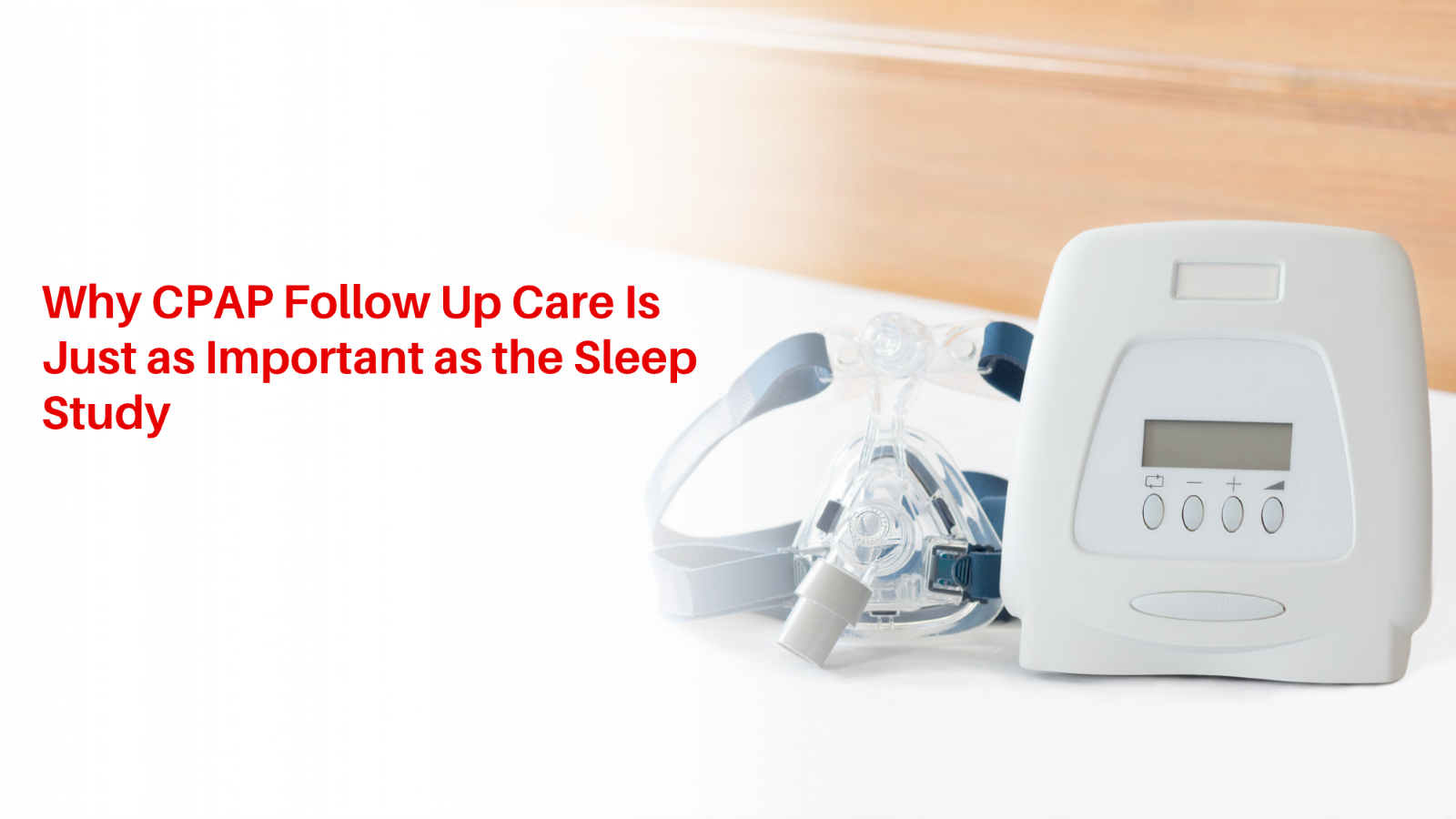
Why CPAP Follow Up Care Is Just as Important as the Sleep Study
Published By: Athens Sleep and Wellness Center at Athens Heart Center
Location: 2005 Prince Ave, Athens, GA 30606 | Phone: (706) 613-6990
Expert Oversight: Directed by Subodh K. Agrawal, MD, FACC — dual board-certified in cardiovascular disease and sleep medicine, dedicated to protecting long-term heart health through comprehensive sleep apnea management.
Getting a sleep study is an important step toward understanding why you are not sleeping well. For someone with obstructive sleep apnea (OSA), taking a home sleep study in Athens can help identify abnormal breathing during sleep and provide crucial information that guides treatment.
But the sleep study is not the end of the process.
If CPAP or another positive airway pressure (PAP) treatment is prescribed, follow-up care is an equally important part of the treatment journey. A diagnosis tells you what is happening during sleep. Follow-up care helps your sleep care team determine how well your treatment is working, whether you are able to use it consistently, and whether problems with your mask, equipment, or pressure settings need to be addressed.
The National Heart, Lung, and Blood Institute (NHLBI) recommends regular checkups after a sleep apnea diagnosis to make sure treatment is working. Your provider may also review data from your PAP machine to assess how often you use it and whether it is functioning properly.
What Does a Sleep Study Tell You?
A sleep study provides essential diagnostic data about your sleep and breathing patterns.
Depending on the type of study, sensors may monitor breathing rate, oxygen saturation, heart rate, brain activity, body movements, and respiratory effort during sleep. These measurements help a healthcare provider evaluate whether sleep apnea or another sleep disorder is present.
If obstructive sleep apnea is diagnosed, your provider can discuss treatment options based on your condition and individual needs.
For many people, positive airway pressure therapy is recommended. CPAP delivers continuous air pressure through a mask to keep the airway open during sleep. Other PAP options include APAP (auto-adjusting) and BPAP (bi-level), which deliver varying pressure levels.
The key point to remember is that a sleep study provides a diagnostic snapshot of your sleep at a single point in time. Your true health journey continues through effective long-term management.
Why Does CPAP Follow-Up Matter?
Starting CPAP therapy does not automatically guarantee that treatment will feel comfortable or seamless from the very first night.
While some patients adjust quickly, many others require assistance with mask sizing, pressure comfort, air humidification, or developing a consistent nightly routine.
A structured CPAP follow-up clinic visit gives your sleep specialist an opportunity to look at both objective data from your device and your personal experience.
The American Academy of Sleep Medicine (AASM) recognizes troubleshooting, patient education, and follow-up as critical components of PAP therapy. Reviewing device data allows clinicians to evaluate compliance patterns and address issues like mask leaks before therapy is abandoned.
What Happens During a CPAP Follow-Up Visit?
Your follow-up appointment involves a comprehensive review of your progress:
1. Your Symptoms Are Reviewed
Your sleep specialist will discuss how you feel since starting therapy:
- Are you waking up feeling more refreshed?
- Are you still experiencing daytime sleepiness or fatigue?
- Are you waking up frequently during the night?
- Has your loud snoring stopped?
- Are morning headaches still occurring?
- Have you noticed improvements in energy, mood, or concentration?
A CPAP machine provides data, but your personal experience is just as vital to evaluating success.
2. Your CPAP Data Is Reviewed
Modern PAP machines record key metrics regarding therapy performance. Your specialist can analyze:
- Frequency and duration of machine usage
- Mask leak rates
- Residual Apnea-Hypopnea Index (AHI) events recorded by the device
- Long-term usage patterns
For example, if you use your machine every night but still feel fatigued, reviewing data might reveal high mask leakage that renders your pressure ineffective.
3. Your Mask Fit Is Evaluated
A CPAP mask must provide a secure seal without causing pain. A mask that is too loose leaks air, while one that is over-tightened creates pressure sores and skin irritation. Understanding what to expect during a CPAP equipment check can help you find the right mask style, whether nasal, full-face, or nasal pillow.
Follow-Up Helps Solve Common CPAP Problems
Many patients assume discomfort is something they simply have to tolerate. It is not. Clinical follow-up can solve issues such as:
- Dry mouth and throat
- Nasal congestion or runny nose
- Mask leaks and facial skin irritation
- Claustrophobia or panic while wearing the mask
- Difficulty exhaling against air pressure
- Aerophagia (stomach bloating or swallowing air)
Addressing these issues early prevents treatment failure and protects your cardiovascular health from the risks of untreated sleep apnea.
Follow-Up Helps With CPAP Adherence
Consistency is the biggest hurdle in CPAP therapy. You may intend to use your machine every night, but inadvertently remove it while sleeping or stop using it out of frustration.
Follow-up visits allow your care team to identify barriers to consistency without judgment. The goal is to solve underlying causes so therapy fits naturally into your lifestyle. NHLBI recommends using PAP during every sleep period, including naps.
CPAP Settings Can Be Adjusted Safely
If therapy feels uncomfortable, your provider can modify comfort features—such as ramp time, pressure relief settings (EPR), or humidity levels—or adjust prescribed pressure ranges.
Note: You should never adjust your prescribed CPAP pressure on your own without medical supervision.
Insurance and Compliance Requirements
For patients using Medicare or private insurance, continued coverage of PAP equipment requires meeting compliance guidelines. CMS guidelines require a clinical re-evaluation within 31 to 91 days after starting therapy, documenting both consistent device usage and symptom improvement.
CPAP Follow-Up Self-Assessment
Ask yourself these 10 questions before your next visit:
- Am I using my CPAP every time I sleep, including naps?
- Do I feel more rested since starting treatment?
- Am I still excessively sleepy during the day?
- Does my mask fit comfortably without pain?
- Do I notice air blowing into my eyes or leaking around the seal?
- Do I experience dry mouth, nasal congestion, or sore skin?
- Do I wake up finding my mask removed?
- Do I have difficulty falling asleep with the machine running?
- Do I understand how to properly clean and maintain my equipment?
- Do I have questions about my usage data or therapy settings?
If you answered "yes" or have concerns about any of these questions, bring them up with your sleep care team during your next appointment.
Frequently Asked Questions About CPAP Follow-Up Care
1. Why is CPAP follow-up necessary after a sleep study?
A sleep study provides a diagnosis and baseline information. Follow-up care evaluates whether treatment is actively working, ensures your mask fits properly, verifies compliance, and addresses side effects like dry mouth or leaks.
2. How soon should I have a CPAP follow-up appointment?
Timing depends on your clinical needs and insurance rules. Patients struggling with discomfort may need early assistance within 1 to 2 weeks. Insurance payors like Medicare typically require a formal clinical re-evaluation between 31 and 91 days after starting therapy.
3. What does my doctor look for during a CPAP follow-up?
Your specialist evaluates symptom improvement, usage hours, mask seal quality, machine-recorded event rates (AHI), side effects, and overall comfort.
4. What if I am still tired after starting CPAP?
Persistent fatigue can stem from high mask leakage, insufficient pressure, insufficient total sleep time, or co-existing conditions. Discuss this with your specialist so they can analyze your PAP data and adjust your care plan.
5. Can my CPAP mask be changed during follow-up?
Yes. If your current mask leaks, causes pain, or feels claustrophobic, your sleep team can fit you with a different style, such as a nasal cushion, full-face mask, or nasal pillow interface.
6. Can I stop CPAP if I feel better?
No. Feeling better means CPAP is successfully keeping your airway open. Sleep apnea is a chronic condition; stopping therapy will cause airway collapse, snoring, and cardiovascular strain to return.
7. Do I need another sleep study after starting CPAP?
Not always. Repeat testing is typically reserved for cases where symptoms persist despite good CPAP compliance, when complex sleep events appear, or after significant weight changes occur.
Expert Care in Athens, Georgia
At the Athens Sleep and Wellness Center, located inside the Athens Heart Center on Prince Avenue, we believe follow-up care is essential for sleep apnea treatment success.
Whether you need a new sleep apnea evaluation, help troubleshooting an uncomfortable mask, or an updated equipment review, our expert team is here to support you.
Explore our sleep educational resources or contact our office to schedule your consultation.
Athens Sleep and Wellness Center
📍 Location: 2005 Prince Ave, Athens, GA 30606
📞 Phone: (706) 613-6990
🌐 Website: ahcsleepcenter.com
Medical Disclaimer: This article is intended for educational purposes only and does not replace professional medical advice, diagnosis, or treatment. Always consult a qualified healthcare provider regarding your sleep apnea or CPAP therapy settings. Never alter prescribed pressure settings on your own.