
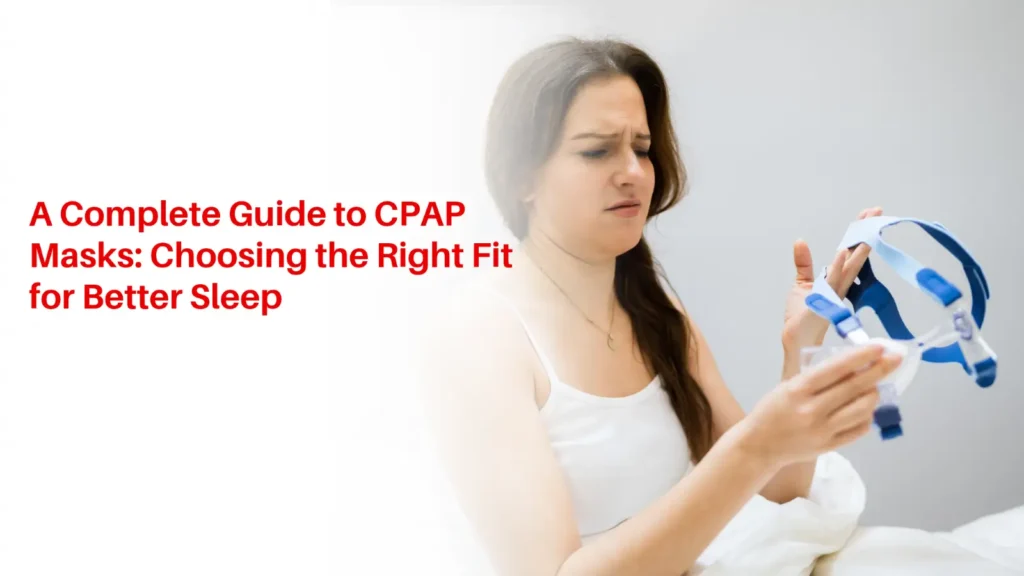
A Complete Guide to CPAP Masks: Choosing the Right Fit for Better Sleep
A Complete Guide to CPAP Masks: Choosing the Right Fit for Better Sleep Nasal, Full Face, and Nasal Pillow Masks Explained, Plus Tips for Comfort, Leaks, and Successful CPAP Therapy Nasal, Full Face, and Nasal Pillow Masks Explained, Plus Tips for Comfort, Leaks, and Successful CPAP Therapy By Athens Sleep and Wellness Center Starting CPAP therapy can be an important step toward managing obstructive sleep apnea and getting more restorative sleep. But receiving a CPAP machine is only part of the process. For many people, the mask is what determines whether CPAP feels comfortable and sustainable. A mask that fits well can make it easier to use your therapy consistently. A mask that leaks, feels restrictive, causes pressure points, or makes breathing uncomfortable can quickly become frustrating. The good news is that CPAP masks are not one size fits all. There are several styles, sizes, and designs, and finding the right option may require some adjustment. This guide explains the main types of CPAP masks, how they differ, what to consider when choosing one, and what to do if your current mask is not working well. Why Your CPAP Mask Matters CPAP works by delivering pressurized air through a mask to help keep the upper airway open during sleep. For that therapy to work as intended, the mask needs to create an appropriate seal while remaining comfortable enough for you to sleep. An uncomfortable mask can lead to problems such as: Air leaks Skin irritation Pressure marks Dry mouth Difficulty sleeping Removing the mask during the night Reduced CPAP use This is why mask selection should be considered an important part of your overall sleep apnea treatment plan. The National Heart, Lung, and Blood Institute’s CPAP guidance explains that CPAP uses a mask to deliver continuous air pressure and that finding a mask that fits comfortably is an important part of using the therapy successfully. The Three Main Types of CPAP Masks Most CPAP masks fall into three broad categories: Nasal masks Nasal pillow masks Full face masks Each has advantages and potential challenges. The best choice depends on your breathing habits, comfort preferences, facial structure, sleeping position, and treatment needs. 1. Nasal CPAP Masks A nasal mask covers the nose and delivers pressurized air through the nasal passages. It is one of the commonly used CPAP mask styles and offers a balance between coverage and a relatively compact design. Nasal Mask Advantages A nasal mask may be a good option if you: Primarily breathe through your nose Want more coverage than nasal pillows provide Prefer not to have a mask covering your mouth Want a relatively lightweight design Some patients find nasal masks comfortable because they provide a secure seal around the nose without covering the entire lower face. Potential Challenges Nasal masks may be less comfortable if you have significant nasal congestion or regularly breathe through your mouth while sleeping. However, mouth breathing does not automatically mean you must use a full face mask. Your sleep care team can help determine what approach may work best for you. 2. Nasal Pillow Masks Nasal pillow masks are generally smaller than traditional nasal masks. Instead of covering the nose, the mask uses small cushions that sit at the nostrils and deliver pressurized air directly into the nasal passages. Nasal Pillow Advantages Nasal pillows can be appealing if you: Prefer minimal facial coverage Feel claustrophobic with larger masks Want greater visibility while wearing your mask Prefer a lightweight design Sleep in different positions Because they use less material around the face, some people find nasal pillows less intrusive. Potential Challenges The direct airflow through the nostrils can feel unusual when you first begin using them. Some patients may also experience nasal irritation or discomfort if the fit or settings are not appropriate. If nasal symptoms make therapy difficult, discuss them with your sleep care provider rather than abandoning treatment. 3. Full Face CPAP Masks A full face mask covers both the nose and mouth. This type of mask may be useful for people who breathe through their mouth during sleep or who need a mask that can deliver therapy through both the nose and mouth. Full Face Mask Advantages A full face mask may be considered when: You regularly breathe through your mouth Nasal breathing is difficult You experience significant mouth leaks with a nasal mask Your sleep care team recommends this style based on your treatment needs Modern full face masks come in different shapes and designs, so “full face” does not necessarily mean a large or bulky mask. Potential Challenges Some people find full face masks more noticeable or restrictive. They may also have more surface area that needs to maintain a seal. A poor fit can contribute to leaks, pressure marks, or discomfort. CPAP Mask Comparison Mask Type Coverage May Suit Potential Challenge Nasal mask Nose People who primarily breathe through the nose May be difficult with significant nasal congestion Nasal pillows Nostrils People who prefer minimal coverage May cause nasal irritation for some users Full face mask Nose and mouth People who breathe through the mouth or have difficulty maintaining a nasal seal More facial coverage There is no universally “best” CPAP mask. The best mask is one that provides an appropriate seal, feels comfortable, and allows you to consistently use your prescribed therapy. How Do You Choose the Right CPAP Mask? Several factors can help guide the decision. Consider How You Breathe at Night Do you naturally breathe through your nose, or do you often wake up with your mouth open? If you primarily breathe through your nose, a nasal mask or nasal pillows may be worth considering. If mouth breathing is a persistent issue, a full face mask may be more appropriate. Your sleep specialist can help you evaluate the underlying reason rather than simply choosing a mask based on one symptom. Consider Your Sleeping Position Your sleeping position can affect mask comfort and leaks. If you sleep on your side, you may prefer
A Complete Guide to CPAP Masks: Choosing the Right Fit for Better Sleep Read More »