
How Sleep Apnea Affects Your Heart
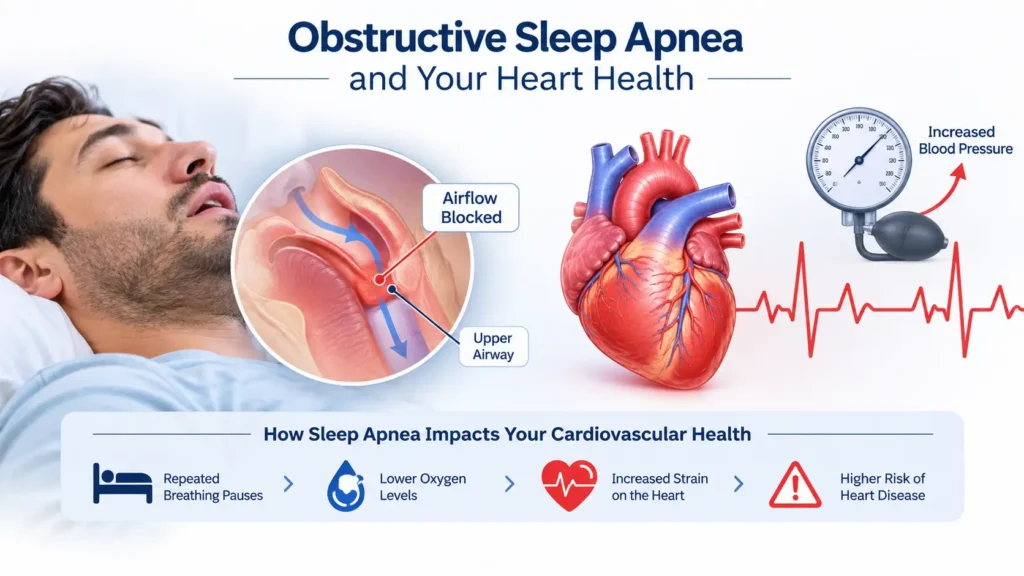
How Sleep Apnea Affects Your Heart Written & Clinically Reviewed By: Subodh K. Agrawal, MD, FACC Credentials: Dual Board-Certified in Cardiovascular Disease & Sleep Medicine Published By: Athens Sleep and Wellness Center | Athens Heart Center Location: 2005 Prince Ave, Athens, GA 30606 | Phone: (706) 208-9700 Last Clinically Reviewed & Updated: November 2026 Most people associate sleep apnea with loud snoring, restless nights, and daytime exhaustion. But what many do not realize is that sleep apnea can also affect one of the body’s most important organs: the heart. When breathing repeatedly stops or becomes restricted during sleep, oxygen levels may drop, blood pressure can fluctuate, and the cardiovascular system experiences additional stress. Over time, these changes may contribute to cardiovascular health problems. Research has linked obstructive sleep apnea (OSA) with high blood pressure, atrial fibrillation, coronary artery disease, heart failure, and stroke. Understanding how sleep apnea affects your heart can help you recognize warning signs, seek appropriate testing, and take meaningful steps toward better sleep and cardiovascular health. What Is Sleep Apnea? Sleep apnea is a sleep disorder characterized by repeated interruptions or reductions in breathing during sleep. The most common form, obstructive sleep apnea, occurs when the muscles supporting the upper airway relax, allowing the airway to narrow or collapse. These episodes can occur repeatedly throughout the night, disrupting normal breathing and sleep. Common symptoms include: Loud or frequent snoring Gasping or choking during sleep Breathing pauses noticed by a partner Excessive daytime sleepiness Morning headaches Difficulty concentrating Waking up feeling unrefreshed Some individuals have sleep apnea without noticeable daytime sleepiness, making the condition harder to recognize. According to the National Heart, Lung, and Blood Institute (NHLBI), untreated sleep apnea can contribute to serious health complications, including cardiovascular problems. The Connection Between Sleep Apnea and Heart Health During healthy sleep, blood pressure generally decreases, allowing the cardiovascular system to experience a period of relative rest. Obstructive sleep apnea can interfere with this process. When the airway becomes blocked, several changes may occur. Repeated Drops in Oxygen Levels During an apnea episode, breathing is reduced or temporarily interrupted. This can lower oxygen levels in the blood. Repeated oxygen fluctuations may contribute to oxidative stress, inflammation, and changes in blood vessel function. Activation of the Stress Response When oxygen levels fall, the body activates the sympathetic nervous system. This response can increase heart rate and blood pressure as the body works to restore normal breathing. Repeated activation throughout the night may contribute to cardiovascular strain. Changes in Chest Pressure When a person attempts to breathe against a blocked airway, pressure inside the chest changes. These pressure fluctuations can affect the heart and circulation, particularly in people with existing cardiovascular conditions. Disrupted Sleep Repeated awakenings and fragmented sleep may affect normal cardiovascular regulation. Together, these mechanisms help explain why sleep apnea is associated with several heart and blood vessel conditions. 5 Ways Sleep Apnea Can Affect Your Heart 1. Sleep Apnea and High Blood Pressure High blood pressure, also known as hypertension, is one of the strongest cardiovascular associations with obstructive sleep apnea. During an apnea episode, oxygen levels may fall, triggering a stress response that temporarily raises blood pressure. When this happens repeatedly, it can interfere with normal nighttime blood pressure regulation. Sleep apnea is especially common among people with resistant hypertension, a condition in which blood pressure remains above target despite treatment with multiple medications. If you have high blood pressure along with loud snoring, nighttime gasping, or daytime fatigue, your healthcare provider may recommend a sleep apnea evaluation. Treating sleep apnea may help lower blood pressure in some patients, but it does not replace prescribed hypertension treatment. 2. Sleep Apnea and Irregular Heartbeats Sleep apnea is associated with certain abnormal heart rhythms, particularly atrial fibrillation (AFib). Atrial fibrillation occurs when the upper chambers of the heart beat irregularly, sometimes causing a rapid or uncomfortable heartbeat. Repeated oxygen fluctuations, changes in nervous system activity, and pressure changes inside the chest may contribute to the development or persistence of abnormal heart rhythms. Some people with AFib experience palpitations, fatigue, or shortness of breath, while others have no noticeable symptoms. Patients with recurrent atrial fibrillation may benefit from discussing sleep apnea screening with their cardiologist. Although treating sleep apnea is important for overall health, CPAP therapy is not guaranteed to prevent atrial fibrillation or its recurrence. 3. Sleep Apnea and Coronary Artery Disease Coronary artery disease develops when the arteries supplying blood to the heart become narrowed, usually because of plaque buildup. Obstructive sleep apnea is associated with coronary artery disease, although the relationship involves several factors. Repeated oxygen fluctuations, inflammation, and blood pressure changes may contribute to cardiovascular stress. Other risk factors, including smoking, diabetes, high cholesterol, obesity, and family history, also play important roles. For patients with both sleep apnea and coronary artery disease, managing each condition appropriately is essential. 4. Sleep Apnea and Heart Failure Heart failure occurs when the heart cannot pump blood effectively enough to meet the body’s needs. Sleep disordered breathing is common among people with heart failure. Both obstructive and central sleep apnea may occur in this population. These conditions can complicate one another. Sleep apnea may contribute to nighttime oxygen fluctuations and cardiovascular stress, while heart failure itself can affect breathing patterns during sleep. Patients with heart failure who experience snoring, gasping, unexplained fatigue, or disrupted sleep should discuss these symptoms with their healthcare team. Treatment must be individualized because different types of sleep apnea may require different approaches, particularly in people with heart failure. 5. Sleep Apnea and Stroke Risk Obstructive sleep apnea is associated with an increased risk of stroke. High blood pressure, atrial fibrillation, and other cardiovascular conditions can contribute to this relationship. Repeated nighttime oxygen fluctuations and changes in blood vessel function may also play a role. However, sleep apnea is only one of several factors influencing stroke risk. Managing blood pressure, diabetes, cholesterol, smoking, and other cardiovascular risk factors remains essential. Can Sleep Apnea Damage Your Heart
How Sleep Apnea Affects Your Heart Read More »