
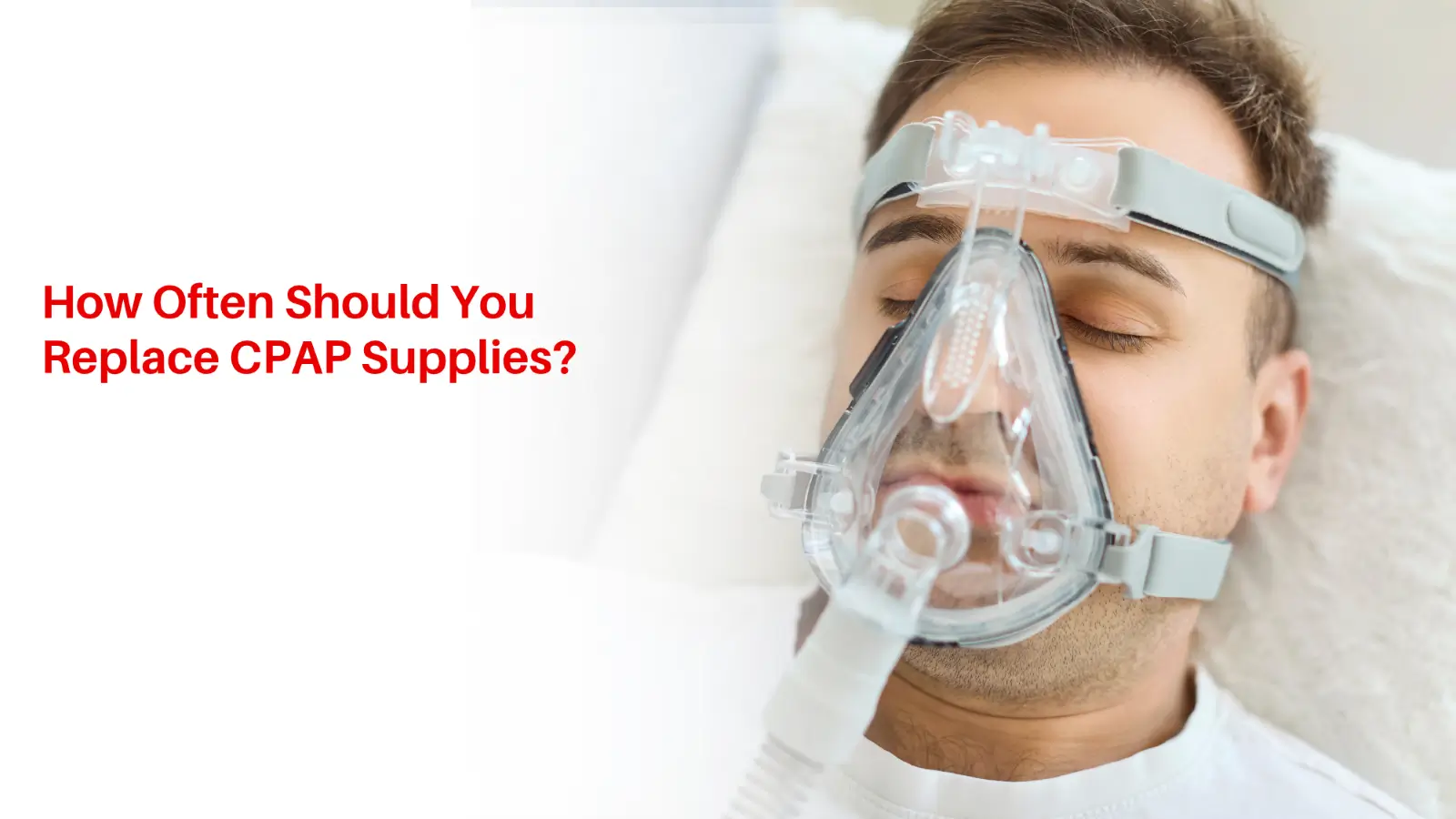
How Often Should You Replace CPAP Supplies?
Written & Clinically Reviewed By: Subodh K. Agrawal, MD, FACC
Credentials: Dual Board-Certified in Cardiovascular Disease & Sleep Medicine
Published By: Athens Sleep and Wellness Center | Athens Heart Center
Location: 2005 Prince Ave, Athens, GA 30606 | Phone: (706) 208-9700
Last Clinically Reviewed & Updated: November 2026
Using CPAP therapy regularly is an essential part of managing obstructive sleep apnea. While your CPAP machine may last for several years, the mask, tubing, filters, and other accessories require regular cleaning, inspection, and replacement.
Over time, CPAP supplies can become worn, damaged, or less effective at maintaining a comfortable seal. This may contribute to air leaks, skin irritation, disrupted sleep, and difficulty using your therapy consistently.
So, how often should you replace your CPAP supplies? The answer depends on the type of equipment, manufacturer recommendations, frequency of use, and the condition of individual components.
In this guide, Athens Sleep and Wellness Center explains when to replace common CPAP supplies, what signs of wear to look for, and how proper equipment maintenance can support effective sleep apnea treatment.
Why Is Replacing CPAP Supplies Important?
Quick Summary: CPAP equipment is designed to deliver a consistent flow of pressurized air while you sleep. Replacing worn cushions, tubing, and filters at regular intervals prevents air leaks, reduces skin irritation, and maintains therapy efficacy.
Each component plays a vital role in helping your therapy function properly. However, regular use can gradually affect the condition of your equipment. Mask cushions may lose their flexibility, tubing can develop cracks, filters may collect dust, and headgear can stretch over time.
Replacing worn supplies helps you:
- Maintain a comfortable and reliable mask seal.
- Reduce air leaks caused by damaged or worn components.
- Avoid unnecessary skin irritation from deteriorating mask cushions.
- Keep filters and equipment in appropriate working condition.
- Address equipment problems before they interfere with your sleep routine.
Regular replacement is only one part of CPAP maintenance. Cleaning your equipment according to manufacturer instructions and inspecting it for wear are equally important steps for long-term comfort and success.
How Often Should You Replace CPAP Supplies?
The following table provides general replacement guidelines commonly used for CPAP supplies. Actual schedules vary by manufacturer, equipment model, insurance coverage, and supplier recommendations.
| CPAP Supply Component | General Replacement Guideline |
|---|---|
| Nasal Pillows or Cushions | Every 2 weeks to 1 month, depending on the type |
| Full Face Mask Cushion | Approximately every month |
| CPAP Mask Frame | Approximately every 3 months |
| CPAP Tubing | Approximately every 3 months |
| Disposable Filters | Every 2 weeks to 1 month, depending on manufacturer instructions |
| Reusable Filters | Approximately every 6 months, or as directed |
| Mask Headgear | Approximately every 6 months |
| Humidifier Water Chamber | Approximately every 6 months |
| Chin Strap | Approximately every 6 months, if used |
These are general guidelines rather than universal requirements. Some manufacturers recommend different intervals, and insurance replacement schedules may not match manufacturer recommendations. For example, ResMed's CPAP replacement guidelines provide component-specific recommendations based on equipment condition and policy rules.
Always follow the instructions for your specific CPAP equipment and consult your equipment supplier if you are unsure when a component should be replaced.
1. When Should You Replace Your CPAP Mask?
Your CPAP mask is one of the most critical components of your therapy because it creates the seal needed to deliver prescribed airflow. With regular use, mask cushions may become stiff, lose flexibility, or develop micro-cracks. Headgear may stretch, making it difficult to keep the mask securely in place.
Common signs that your mask or its components need replacement include:
- Air leaks that continue despite proper adjustment.
- Visible cracks, tears, or structural damage.
- A cushion that feels stiff or has lost its original shape.
- Persistent skin irritation or pressure marks.
- Headgear that has stretched and no longer fits securely.
You may not need to replace the entire mask every time. Depending on your equipment, replacing just the cushion or headgear may resolve the issue. If your mask continues to leak or feel uncomfortable, contact your CPAP supplier or sleep care team for an assessment. For additional guidance, read our article on how to make your CPAP mask more comfortable.
2. How Often Should You Replace CPAP Tubing?
CPAP tubing connects your machine to your mask and carries the prescribed airflow. Over time, tubing can become damaged, develop small cracks, or lose its flexibility. Moisture and residue may also accumulate if the tubing is not cleaned and dried properly.
Inspect your tubing regularly for:
- Visible cracks or tears along the coils.
- Loose connections at the mask or machine end.
- Persistent air leaks.
- Discoloration or buildup.
- Damage that affects the tubing's flexibility.
Many replacement schedules recommend changing CPAP tubing approximately every three months, but the appropriate interval depends on your equipment and manufacturer instructions. Replace damaged tubing sooner if necessary. If you use heated tubing, follow the specific care and replacement guidance for that component.
3. When Should You Change CPAP Filters?
CPAP filters help prevent dust, pollen, and airborne particles from entering your machine and lungs. There are two common types:
- Disposable filters: Generally replaced every two weeks to one month, depending on machine type and environment.
- Reusable filters: Typically last longer, requiring replacement approximately every six months with regular weekly cleaning.
A filter may need attention sooner if it becomes visibly dirty, discolored, damaged, or clogged. Dusty surroundings, pets, and environmental allergens can accelerate buildup. Always check your device manual before cleaning or replacing a filter, as disposable filters should never be washed.
4. How Often Should You Replace Your CPAP Humidifier Water Chamber?
If your CPAP machine includes a built-in or standalone humidifier, the water chamber adds moisture to the airflow to prevent airway dryness. Repeated use may cause mineral buildup, cloudiness, discoloration, or deterioration of the chamber material.
Inspect the chamber regularly for:
- Cracks, chips, or leaks.
- Cloudiness or persistent discoloration.
- Mineral deposits that cannot be removed through routine cleaning.
- Damaged rubber seals or deteriorating material.
Many replacement schedules recommend changing the humidifier water chamber approximately every six months. Always use distilled water as recommended by your machine's manufacturer to prolong chamber life, and never continue using a cracked or leaking unit.
5. When Should You Replace CPAP Headgear?
Headgear keeps your mask securely positioned while you sleep. With repeated nightly use, fabric straps stretch and lose elasticity. This can make it difficult to maintain a comfortable fit and may encourage you to overtighten the mask.
Signs that headgear needs replacement include:
- Straps that feel loose even after maximum adjustment.
- Worn or frayed Velcro fastening tabs.
- Difficulty maintaining a secure mask fit.
- Increased discomfort or facial pressure marks.
- Repeated mask movement during sleep.
Headgear is commonly replaced approximately every six months. If your mask suddenly becomes difficult to fit, inspect the headgear before assuming the mask itself needs replacement.
6. Signs You Should Replace CPAP Supplies Sooner
Replacement schedules serve as useful baselines, but individual wear should guide your maintenance timing. Watch for these red flags:
- Persistent air leaks: If your mask continues leaking after correct adjustment, inspect the cushion, frame, and headgear.
- Visible damage: Cracks, tears, broken connectors, or damaged seals should be replaced immediately.
- Skin irritation: A deteriorating mask cushion harbors oils and bacteria that contribute to facial breakouts or pressure marks.
- Reduced performance: Airflow fluctuations or persistent machine alerts warrant immediate inspection.
- Difficulty cleaning: Components that remain discolored or dirty despite proper cleaning should be replaced.
If you experience persistent treatment problems, consult our team to evaluate whether the issue involves equipment condition, mask fit, or prescription settings. Discover more by reviewing the benefits of CPAP therapy and ongoing care.
7. Does Insurance Cover CPAP Supply Replacement?
Many patients diagnosed with obstructive sleep apnea receive CPAP supplies through medical equipment suppliers with partial or full insurance coverage. However, coverage depends on your specific insurance plan, medical necessity criteria, and replacement frequency limits.
For example, Medicare replacement schedules serve as coverage guidelines rather than universal medical mandates. Medicare generally permits cushions and disposable filters to be replaced more frequently than headgear, tubing, or humidifier chambers. Before ordering, verify coverage details with your supplier or insurance representative.
CPAP Supply Maintenance: A Quick Self-Assessment
Ask yourself these quick questions to check if your equipment is due for maintenance:
- Does my mask continue to leak despite proper adjustment?
- Are the mask cushions cracked, stiff, or uncomfortable?
- Is my headgear stretched or difficult to secure?
- Does my tubing show signs of damage, wear, or persistent leaks?
- Are my filters dirty, discolored, or clogged?
- Is my humidifier chamber cloudy, cracked, or leaking?
- Have I checked my manufacturer's cleaning and replacement guidelines recently?
If you answered "yes" to any of these questions, inspect the component and reach out to your sleep equipment provider or sleep care specialist.
Frequently Asked Questions (FAQs)
1. How often should I replace my entire CPAP mask?
The replacement interval depends on the mask design, condition, and manufacturer recommendations. Individual components such as cushions (every 1-4 weeks) or headgear (every 6 months) are replaced more frequently than the full frame (every 3 months). Ask your equipment supplier about the schedule for your specific model.
2. Can I continue using a CPAP mask with small cracks?
No. Small cracks interfere with the mask seal, contributing to air leaks and reduced therapy effectiveness. Damaged components should be replaced immediately according to manufacturer guidelines.
3. How often should I replace CPAP filters?
Disposable filters generally require replacement every 2 weeks to 1 month, while reusable foam filters typically last up to 6 months with regular weekly washing. Always consult your device manual.
4. Does cleaning my CPAP equipment mean I do not need to replace it?
No. While cleaning maintains hygiene, it cannot restore silicone elasticity, repair stretched headgear fabric, or undo micro-cracks in plastic tubing. Regular replacement remains necessary for effective therapy.
5. Can worn CPAP supplies affect my treatment?
Yes. Worn cushions lead to air leaks, dry eyes, and loss of therapeutic pressure, while clogged filters restrict airflow and strain your machine's motor. Worn supplies directly impair therapy effectiveness.
6. Will insurance cover replacement CPAP supplies?
Most commercial insurance plans and Medicare cover replacement supplies on a set schedule. Check with your insurance provider or durable medical equipment (DME) supplier to confirm your specific coverage allowance.
7. How long does a CPAP machine last?
CPAP machines are designed to last around 3 to 5 years. Five years is the standard threshold for insurance replacement eligibility, though actual lifespan depends on machine maintenance and usage hours.
Schedule Your CPAP Consultation in Athens, GA
Replacing your CPAP supplies on time ensures comfortable, effective, and hygienic sleep apnea therapy. If you are experiencing persistent leaks, facial irritation, or need assistance choosing equipment, our team is here to help.
Practice: Athens Sleep and Wellness / Athens Heart Center & Specialty Clinics
Physician: Subodh Agrawal, MD, FACC (Dual Board-Certified in Cardiology & Sleep Medicine)
Address: 2005 Prince Avenue, Athens, GA 30606
Phone: (706) 208-9700
Online: AthensHeartCenter.com | ahcsleepcenter.com
References & Clinical Guidelines
- American Academy of Sleep Medicine (AASM). Clinical Practice Guideline for Diagnostic Testing and Management of Adult Obstructive Sleep Apnea. Journal of Clinical Sleep Medicine. Accessible via: aasm.org.
- Centers for Medicare & Medicaid Services (CMS). Durable Medical Equipment, Prosthetics, Orthotics, and Supplies (DMEPOS) CPAP Replacement Schedule. Accessible via: cms.gov.
- ResMed. CPAP Supplies & Equipment Replacement Guidelines. Accessible via: resmed.com.
Medical Disclaimer: This article is for educational purposes only and does not replace personalized medical advice, diagnosis, or treatment. Always consult your physician or qualified sleep specialist regarding your CPAP equipment or health condition.