Athens Sleep and Wellness Center

Heart

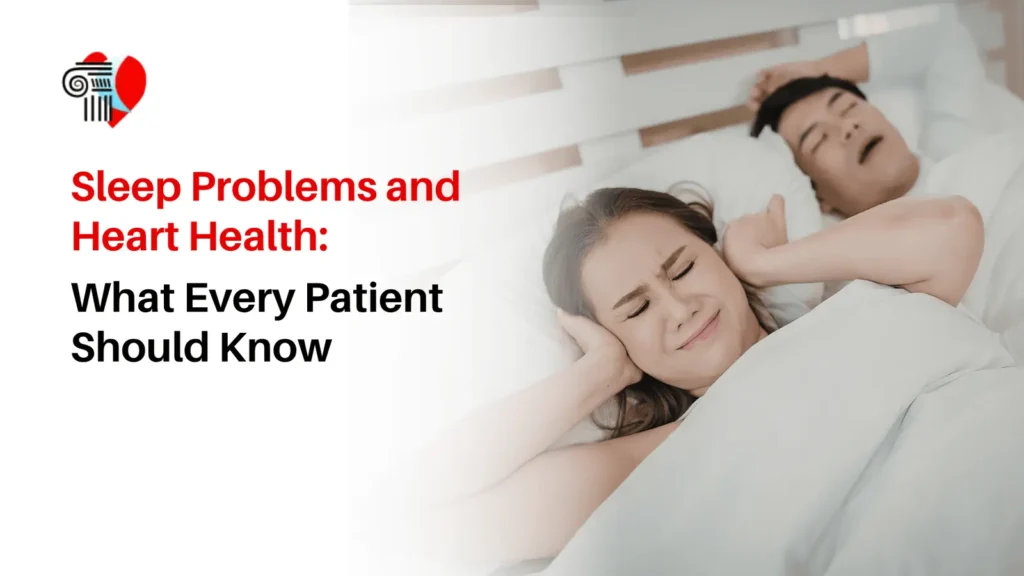
A woman covering her ears in bed while a man snores next to her, featured alongside the text Sleep Problems and Heart Health.

Sleep Problems and Heart Health: What Every Patient Should Know

Sleep Problems and Heart Health: What Every Patient Should Know Sleep Problems and Heart Health: What Every Patient Should Know Why Poor Sleep Could Be Affecting More Than Your Energy Levels Most people understand that sleep affects how they feel the next day. A poor night’s sleep can leave you tired, irritable, unfocused, and dependent on caffeine to get through the day. But what many patients do not realize is that sleep affects much more than energy. It affects the heart. In fact, growing research continues to show that sleep quality plays a major role in cardiovascular health. Poor sleep has been linked to high blood pressure, irregular heart rhythms, heart disease, stroke, and heart failure. At Athens Sleep and Wellness Center, we often remind patients that sleep is not simply rest. It is one of the body’s most important recovery mechanisms. When sleep suffers, the heart often does too. The Heart Never Truly Gets a Break Without Healthy Sleep During healthy sleep, the body enters a restorative state. Heart rate slows, blood pressure naturally decreases, and stress hormone levels drop. The cardiovascular system gets an opportunity to recover from the demands of the day. When sleep is disrupted repeatedly, that recovery process is interrupted. Instead of entering a state of restoration, the body remains in a heightened state of stress. Over time, this places additional strain on the heart and blood vessels. According to the American Heart Association, healthy sleep is now recognized as an essential component of cardiovascular health through its Life’s Essential 8 framework. Source: American Heart Association Life’s Essential 8 Sleep Apnea and Heart Disease: A Connection Patients Should Not Ignore One of the most common sleep disorders linked to heart problems is obstructive sleep apnea. Sleep apnea occurs when breathing repeatedly stops and starts during sleep. Each breathing interruption causes oxygen levels to drop, and the brain responds by briefly waking the body to restore normal breathing. Many patients are completely unaware these interruptions are happening. Common symptoms include: Loud snoring Morning headaches Daytime fatigue Dry mouth upon waking Difficulty concentrating Over time, these repeated oxygen drops force the cardiovascular system to work harder. According to the National Heart, Lung, and Blood Institute, untreated sleep apnea increases the risk of high blood pressure, heart disease, stroke, and abnormal heart rhythms. Source: National Heart, Lung, and Blood Institute Poor Sleep and High Blood Pressure Often Go Hand in Hand Many patients are surprised to learn that poor sleep can directly affect blood pressure. During healthy sleep, blood pressure naturally falls. This nighttime decline is an important part of cardiovascular recovery. When sleep becomes fragmented or insufficient, blood pressure may remain elevated for longer periods. Over months and years, this can contribute to chronic hypertension. The Centers for Disease Control and Prevention notes that insufficient sleep is associated with increased risk for high blood pressure and cardiovascular disease. Source: Centers for Disease Control and Prevention Sleep and Heart Rhythm Disorders Sleep disorders may also affect the electrical system of the heart. Research has shown that conditions such as sleep apnea are associated with a higher risk of atrial fibrillation, one of the most common heart rhythm disorders. Atrial fibrillation can increase the risk of stroke, heart failure, and other cardiovascular complications. For some patients, improving sleep quality becomes an important part of managing heart rhythm health. Why Fatigue Should Never Be Ignored Many people view daytime fatigue as a normal consequence of modern life, citing busy schedules, long work hours, and family responsibilities. But persistent fatigue can sometimes be a warning sign that the body is not getting restorative sleep. Excessive daytime sleepiness, difficulty concentrating, memory problems, and low energy levels should not simply be accepted as normal. These symptoms may indicate an underlying sleep disorder that deserves evaluation. The Long Term Impact of Poor Sleep Poor sleep affects more than the heart alone. Chronic sleep problems have been associated with: High blood pressure, heart disease, and stroke Obesity and Type 2 diabetes Depression Memory and concentration difficulties As supported by research from the National Institutes of Health, sleep plays a critical role in metabolic, cardiovascular, and cognitive health. The body depends on quality sleep to repair, regulate, and recover. Source: National Institutes of Health When Should You Consider a Sleep Evaluation? Many sleep disorders go undiagnosed for years because patients often assume their symptoms are simply part of aging or stress. You should consider a professional sleep evaluation if you experience: Loud snoring or witnessed pauses in breathing during sleep Frequent nighttime awakenings or waking up gasping/choking Morning headaches and persistent daytime fatigue Difficulty concentrating High blood pressure that remains difficult to control Early diagnosis often leads to better outcomes and improved quality of life. A Simple Self Assessment Ask yourself honestly: Do I wake up feeling refreshed most mornings? Do I stay awake and alert throughout the day? Has anyone complained about my snoring? Do I wake up gasping or choking during sleep? Do I struggle with high blood pressure or heart related concerns? If you answered no to the first two questions or yes to any of the others, a professional sleep evaluation may be beneficial. Frequently Asked Questions 1. Can poor sleep really affect the heart? Yes. Sleep disorders have been linked to high blood pressure, heart disease, stroke, and abnormal heart rhythms. 2. What sleep disorder is most commonly linked to heart problems? Obstructive sleep apnea is one of the most common sleep disorders associated with cardiovascular disease. 3. Is snoring always a sign of sleep apnea? Not always, but loud and persistent snoring is one of the most common warning signs. 4. Can treating sleep apnea improve heart health? Yes. Proper treatment may help reduce cardiovascular risk and improve overall health. 5. Does poor sleep increase blood pressure? Yes. Chronic sleep disruption can contribute to elevated blood pressure over time. 6. How is a sleep disorder diagnosed? A sleep specialist may recommend a sleep study or other diagnostic testing depending

Sleep Problems and Heart Health: What Every Patient Should Know Read More »

How Lack of Sleep Affects Heart Health

How Lack of Sleep Affects Heart Health If you’ve ever tossed and turned through the night, stared at the ceiling at 3 a.m., or woken up feeling like you didn’t sleep at all, you’re not alone. We hear stories like this every day from patients at our sleep clinic in Athens, GA. But here’s something most people don’t realize: poor sleep doesn’t just make you tired—it can quietly damage your heart. Whether you’re a parent, a student at UGA, a retiree, or a busy professional, your heart depends on deep, restful sleep to stay healthy. So let’s talk about how your sleep and your heart are connected. When you sleep, your heart finally gets a break. Your blood pressure drops. Your heart rate slows down. Your stress hormones ease up. But when you don’t sleep well? Your blood pressure stays high Your heart rate speeds up Your body stays in a “fight or flight” mode all night Over time, this affects your heart. That’s why we’re seeing more and more people develop heart issues tied directly to poor sleep habits. “I Just Thought I Was Tired. I Had No Idea It Was My Heart.” Many of our patients come in because they’re tired during the day, or because their partner complains about snoring. But during their sleep evaluation, we discover signs of sleep apnea, insomnia, or restless sleep, all of which can lead to heart problems if left untreated. Here’s what we want everyone in Athens to know: Poor sleep can lead to: High blood pressure that doesn’t go down—even with meds A fast or irregular heartbeat Greater risk of heart attack or stroke Heart failure over time If you’ve been asking yourself, “Why is my heart rate so high when I’m resting?” or “Can sleep deprivation cause heart problems?”—the answer is yes. https://youtu.be/1N6ZQX8u0AA?si=PJLv7fGk_6O4EjaF Sleep Apnea and Heart Disease: The Dangerous Link One of the biggest risks we see is obstructive sleep apnea. This condition causes your breathing to stop and start during the night, sometimes hundreds of times. Every time it happens, your oxygen levels drop, and your heart is forced to work harder. That’s why sleep apnea and high blood pressure go hand in hand. Left untreated, sleep apnea doubles your risk of heart disease. If you snore, gasp for air at night, or wake up feeling like you never slept, you may have sleep apnea, and your heart could already be feeling the effects. How Much Sleep Do You Need? Most adults need 7 to 9 hours of quality sleep each night—not just any sleep, but sleep that feels truly restful. If you wake up tired, feel groggy throughout the day, or rely on caffeine to keep going, your sleep isn’t doing its job. We ask our patients all the time: “Do you feel rested when you wake up?” If the answer is no, something deeper may be going on. 5 Signs Your Sleep Could Be Hurting Your Heart You snore loudly or wake up gasping You feel exhausted despite 7+ hours in bed Your blood pressure stays high, even on medication You’ve gained weight without major changes in diet Your smartwatch shows a high resting heart rate If any of these sound like you, talk to a sleep doctor in Athens, GA. You might think it’s “just bad sleep,” but your heart may be trying to tell you something. What You Can Do Today to Sleep (and Feel) Better Making small changes to your routine can protect your heart, starting tonight: Best ways to sleep if you have heart concerns: Sleep on your left side: This can ease pressure on the heart and reduce snoring. (best way to sleep with a heart problem) Stick to a regular schedule: Going to bed and waking up at the same time every day helps reset your internal clock. Avoid caffeine and alcohol after 2 p.m. They can raise your heart rate and disturb your sleep. Keep your bedroom cool, quiet, and dark; around 65–68°F is ideal. If you’ve been prescribed CPAP therapy, use it consistently. It’s one of the best tools for managing sleep apnea and heart disease. What We Do at Athens Sleep & Wellness Center At Athens Sleep & Wellness Center in Athens, GA, we don’t just treat sleep problems—we help people feel like themselves again. Every patient we see has their own story, and our goal is to help you get your nights (and days) back on track. We offer: Sleep testing (in-lab or at-home) Diagnosis and treatment for sleep apnea, insomnia, restless sleep, and more CPAP setup and support Customized treatment plans for better heart and sleep health Our team is here to listen, guide you, and walk with you every step of the way. Ready to Feel Like Yourself Again? If you’re worried that lack of sleep is affecting your heart, please don’t ignore it. You don’t have to wait until things get worse. The earlier we catch it, the easier it is to treat. We’re your neighbors, and we care about your health. Whether it’s scheduling a sleep study or just asking questions, you’re always welcome at Athens Sleep & Wellness Center. 📍 Visit us in Athens GA 📞 Call us today at +1(706)613-6990 📅 Schedule your consultation online

How Lack of Sleep Affects Heart Health Read More »

Is Your Heart at Risk Due to Lack of Sleep?

Is Your Heart at Risk Due to Lack of Sleep?

Is Your Heart at Risk Due to Lack of Sleep? Medically Reviewed by:Subodh K. Agrawal, MD, FACCMedical Director, Medical Office Force Sleep is more than just a nightly ritual; it’s a cornerstone of overall health, including your heart. Yet, in today’s fast-paced world, many of us sacrifice sleep to meet the demands of work, family, and social obligations. But what if losing those precious hours of rest was putting your heart at risk? Recent studies reveal a significant connection between sleep and heart health, making it crucial to prioritize your nightly shut-eye. Understanding the Link Between Sleep and Cardiac Health Your heart works tirelessly, pumping blood throughout your body 24/7. Sleep offers a much-needed respite, allowing your cardiovascular system to recover and recharge. However, lack of sleep disrupts this natural rhythm, leading to adverse effects on cardiac health. Poor sleep habits can elevate stress hormones, increase blood pressure, and even contribute to inflammation, all of which strain the heart. One of the key questions often asked is, “How does lack of sleep affect heart rate?” When you’re sleep-deprived, your heart rate tends to remain elevated even during rest, putting unnecessary pressure on your cardiovascular system. Over time, this can increase the risk of heart disease and other cardiac issues. The Science Behind Sleep and Heart Disease Sleep deprivation doesn’t just make you tired; it affects vital processes that keep your heart healthy. According to sleep and cardiac health research, inadequate sleep can lead to: 1.Increased Blood Pressure: Sleep allows your blood pressure to dip naturally. Lack of sleep disrupts this pattern, resulting in sustained high blood pressure, a major risk factor for heart disease. 2.Elevated Heart Rate: Poor sleep keeps your heart rate higher than normal, reducing its efficiency and increasing the risk of cardiac problems. 3. Increased Inflammation: Chronic sleep deprivation triggers inflammatory responses, which are closely linked to atherosclerosis—a condition where arteries harden and narrow, increasing the risk of heart attacks. How Does Lack of Sleep Cause Heart Disease? The relationship between sleep deprivation and heart disease is multifaceted. When you consistently sleep less than the recommended 7-8 hours per night, your body undergoes hormonal changes. Cortisol, the stress hormone, remains elevated, leading to increased blood pressure and arterial damage over time. Also, poor sleep impacts cholesterol levels, increasing bad cholesterol (LDL) and reducing good cholesterol (HDL), both contributing to heart disease. Warning Signs That Your Heart Might Be at Risk If you’re wondering whether your sleep patterns might be affecting your heart, here are some red flags to watch for: Persistent Fatigue: Feeling tired even after a full night’s sleep could indicate poor sleep quality. Irregular Heart Rate: Noticeable changes in your heart rhythm or a consistently high resting heart rate may be a concern. High Blood Pressure: If your blood pressure readings are consistently high, sleep deprivation could be a contributing factor. Breathing Issues During Sleep: Conditions like sleep apnea, characterized by interrupted breathing during sleep, significantly increase the risk of heart disease. Simple Steps to Protect Your Heart While You Sleep The good news is that improving your sleep habits can have a profound impact on your heart health. Here are actionable tips to enhance both your sleep and cardiac health: Stick to a Sleep Schedule: Aim for 7-8 hours of sleep each night, and try to go to bed and wake up at the same time daily. Create a Relaxing Bedtime Routine: Engage in calming activities like reading or meditation to signal your body that it’s time to wind down. Limit Caffeine and Alcohol: These substances can disrupt your sleep cycle and affect your heart rate. Invest in a Comfortable Sleep Environment: Ensure your bedroom is dark, quiet, and at a comfortable temperature. Address Sleep Disorders: If you suspect you have conditions like sleep apnea, seek professional evaluation and treatment. The Role of Professional Sleep Studies For individuals struggling with chronic sleep issues, a professional sleep study can provide invaluable insights. Facilities like Athens Sleep Center specialize in diagnosing and treating sleep disorders, helping you reclaim restorative sleep and protect your heart health. By identifying the root cause of your sleep problems, these studies pave the way for targeted treatments that improve both sleep quality and cardiac outcomes. How Much Sleep Is Enough? While everyone’s sleep needs vary slightly, most adults require 7-8 hours of quality sleep per night. Research shows that consistently getting less than six hours of sleep can double your risk of cardiovascular diseases. On the other hand, oversleeping isn’t ideal either, as it can sometimes indicate underlying health issues. Sleep: A Pillar of Preventive Cardiac Care Preventive care is a cornerstone of maintaining heart health, and sleep plays an integral role in this approach. Alongside regular exercise, a balanced diet, and stress management, prioritizing sleep can significantly reduce your risk of heart disease. The Bottom Line: Prioritize Your Sleep, Protect Your Heart Your heart deserves the best care, and that starts with something as simple as a good night’s sleep. By understanding the intricate link between sleep and heart health, you can take proactive steps to safeguard your well-being. Whether it’s adopting healthier sleep habits or seeking professional guidance, every effort counts. At Athens Sleep Center, we’re dedicated to helping you achieve optimal sleep for a healthier heart. Schedule a consultation today and take the first step toward better sleep and improved cardiac health. If you’re wondering whether your sleep patterns might be affecting your heart, here are some red flags to watch for: Persistent Fatigue: Feeling tired even after a full night’s sleep could indicate poor sleep quality. Irregular Heart Rate: Noticeable changes in your heart rhythm or a consistently high resting heart rate may be a concern. High Blood Pressure: If your blood pressure readings are consistently high, sleep deprivation could be a contributing factor. Breathing Issues During Sleep: Conditions like sleep apnea, characterized by interrupted breathing during sleep, significantly increase the risk of heart disease. Resources www.heart.orgwww.thensf.orgwww.cdc.gov/index.html

Is Your Heart at Risk Due to Lack of Sleep? Read More »

Scroll to Top