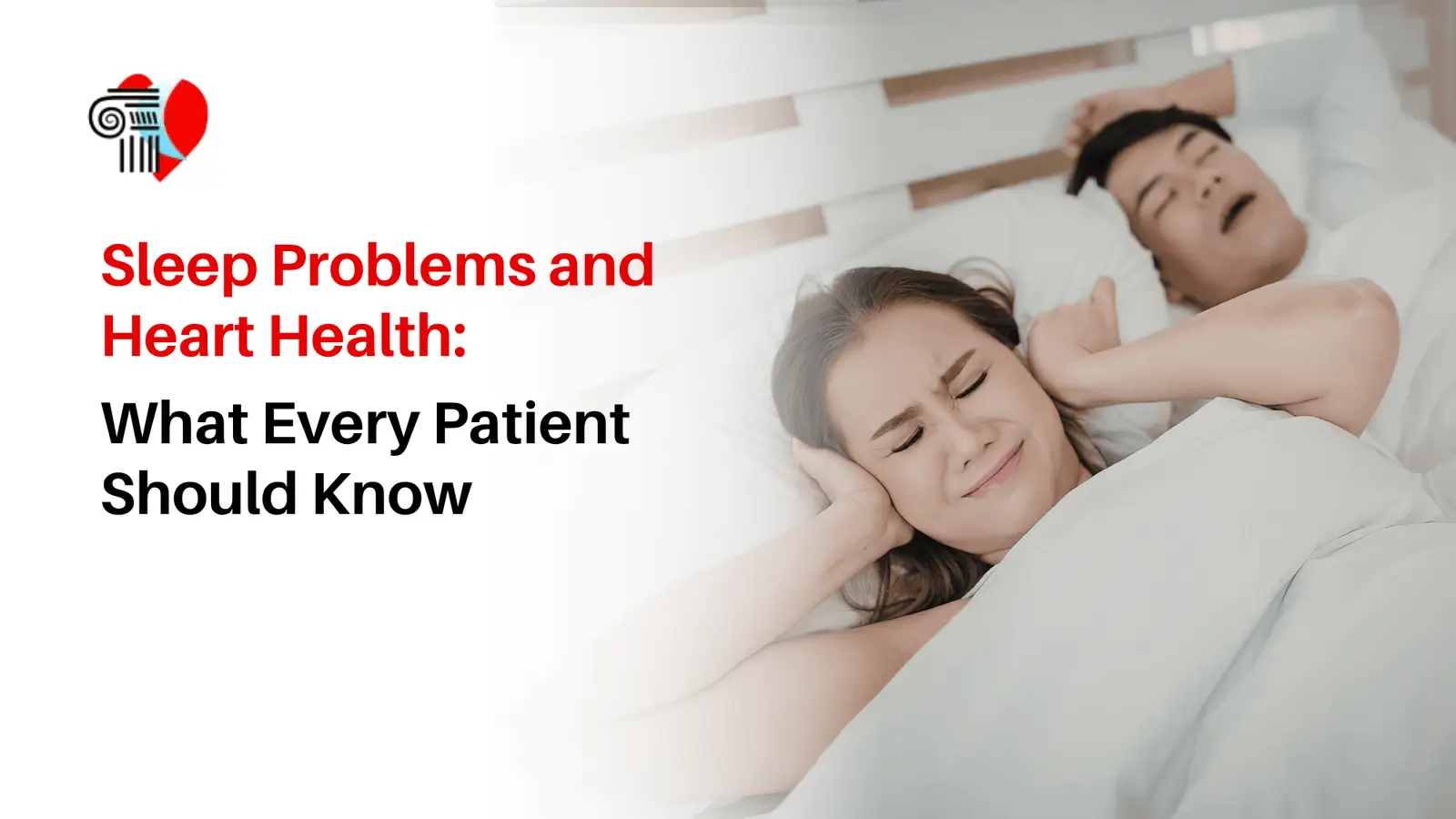
Why Poor Sleep Could Be Affecting More Than Your Energy Levels
Most people understand that sleep affects how they feel the next day. A poor night's sleep can leave you tired, irritable, unfocused, and dependent on caffeine to get through the day.
But what many patients do not realize is that sleep affects much more than energy. It affects the heart.
In fact, growing research continues to show that sleep quality plays a major role in cardiovascular health. Poor sleep has been linked to high blood pressure, irregular heart rhythms, heart disease, stroke, and heart failure.
At Athens Sleep and Wellness Center, we often remind patients that sleep is not simply rest. It is one of the body's most important recovery mechanisms. When sleep suffers, the heart often does too.
The Heart Never Truly Gets a Break Without Healthy Sleep
During healthy sleep, the body enters a restorative state. Heart rate slows, blood pressure naturally decreases, and stress hormone levels drop. The cardiovascular system gets an opportunity to recover from the demands of the day.
When sleep is disrupted repeatedly, that recovery process is interrupted. Instead of entering a state of restoration, the body remains in a heightened state of stress. Over time, this places additional strain on the heart and blood vessels.
According to the American Heart Association, healthy sleep is now recognized as an essential component of cardiovascular health through its Life's Essential 8 framework.
Source: American Heart Association Life's Essential 8
Sleep Apnea and Heart Disease: A Connection Patients Should Not Ignore
One of the most common sleep disorders linked to heart problems is obstructive sleep apnea. Sleep apnea occurs when breathing repeatedly stops and starts during sleep. Each breathing interruption causes oxygen levels to drop, and the brain responds by briefly waking the body to restore normal breathing.
Many patients are completely unaware these interruptions are happening. Common symptoms include:
- Loud snoring
- Morning headaches
- Daytime fatigue
- Dry mouth upon waking
- Difficulty concentrating
Over time, these repeated oxygen drops force the cardiovascular system to work harder. According to the National Heart, Lung, and Blood Institute, untreated sleep apnea increases the risk of high blood pressure, heart disease, stroke, and abnormal heart rhythms.
Source: National Heart, Lung, and Blood Institute
Poor Sleep and High Blood Pressure Often Go Hand in Hand
Many patients are surprised to learn that poor sleep can directly affect blood pressure. During healthy sleep, blood pressure naturally falls. This nighttime decline is an important part of cardiovascular recovery.
When sleep becomes fragmented or insufficient, blood pressure may remain elevated for longer periods. Over months and years, this can contribute to chronic hypertension.
The Centers for Disease Control and Prevention notes that insufficient sleep is associated with increased risk for high blood pressure and cardiovascular disease.
Source: Centers for Disease Control and Prevention
Sleep and Heart Rhythm Disorders
Sleep disorders may also affect the electrical system of the heart. Research has shown that conditions such as sleep apnea are associated with a higher risk of atrial fibrillation, one of the most common heart rhythm disorders.
Atrial fibrillation can increase the risk of stroke, heart failure, and other cardiovascular complications. For some patients, improving sleep quality becomes an important part of managing heart rhythm health.
Why Fatigue Should Never Be Ignored
Many people view daytime fatigue as a normal consequence of modern life, citing busy schedules, long work hours, and family responsibilities. But persistent fatigue can sometimes be a warning sign that the body is not getting restorative sleep.
Excessive daytime sleepiness, difficulty concentrating, memory problems, and low energy levels should not simply be accepted as normal. These symptoms may indicate an underlying sleep disorder that deserves evaluation.
The Long Term Impact of Poor Sleep
Poor sleep affects more than the heart alone. Chronic sleep problems have been associated with:
- High blood pressure, heart disease, and stroke
- Obesity and Type 2 diabetes
- Depression
- Memory and concentration difficulties
As supported by research from the National Institutes of Health, sleep plays a critical role in metabolic, cardiovascular, and cognitive health. The body depends on quality sleep to repair, regulate, and recover.
Source: National Institutes of Health
When Should You Consider a Sleep Evaluation?
Many sleep disorders go undiagnosed for years because patients often assume their symptoms are simply part of aging or stress. You should consider a professional sleep evaluation if you experience:
- Loud snoring or witnessed pauses in breathing during sleep
- Frequent nighttime awakenings or waking up gasping/choking
- Morning headaches and persistent daytime fatigue
- Difficulty concentrating
- High blood pressure that remains difficult to control
Early diagnosis often leads to better outcomes and improved quality of life.
A Simple Self Assessment
Ask yourself honestly:
- Do I wake up feeling refreshed most mornings?
- Do I stay awake and alert throughout the day?
- Has anyone complained about my snoring?
- Do I wake up gasping or choking during sleep?
- Do I struggle with high blood pressure or heart related concerns?
If you answered no to the first two questions or yes to any of the others, a professional sleep evaluation may be beneficial.
Frequently Asked Questions
1. Can poor sleep really affect the heart?
Yes. Sleep disorders have been linked to high blood pressure, heart disease, stroke, and abnormal heart rhythms.
2. What sleep disorder is most commonly linked to heart problems?
Obstructive sleep apnea is one of the most common sleep disorders associated with cardiovascular disease.
3. Is snoring always a sign of sleep apnea?
Not always, but loud and persistent snoring is one of the most common warning signs.
4. Can treating sleep apnea improve heart health?
Yes. Proper treatment may help reduce cardiovascular risk and improve overall health.
5. Does poor sleep increase blood pressure?
Yes. Chronic sleep disruption can contribute to elevated blood pressure over time.
6. How is a sleep disorder diagnosed?
A sleep specialist may recommend a sleep study or other diagnostic testing depending on symptoms.
7. When should I seek professional help?
If sleep problems are affecting your health, energy, concentration, or quality of life, it is time to seek evaluation.
The Bottom Line
Sleep is not a luxury. It is a critical component of heart health. When sleep becomes disrupted, the effects can extend far beyond feeling tired the next day. The heart, blood vessels, brain, and entire body depend on restorative sleep to function properly. Recognizing sleep problems early may help prevent serious cardiovascular complications later.
Take the Next Step
If you are experiencing persistent fatigue, loud snoring, poor sleep quality, or concerns about your heart health, do not ignore the warning signs.
At Athens Sleep and Wellness Center, we provide comprehensive evaluations and personalized treatment plans to help patients achieve healthier sleep and better long term wellness. Because better sleep is not just about feeling rested—it is about protecting your heart for years to come.
Schedule a Consultation