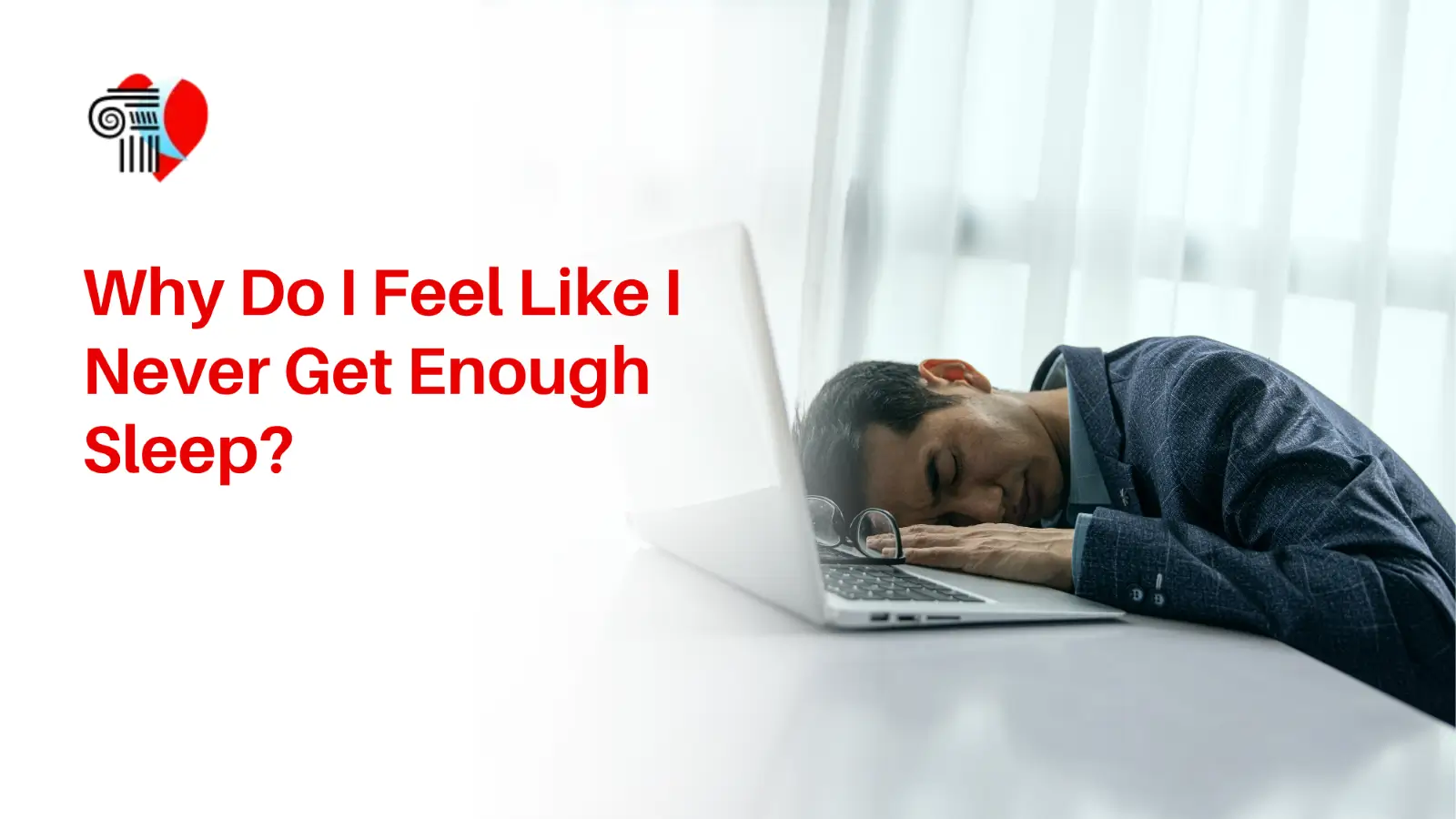
Understanding the Hidden Reasons You Wake Up Tired Every Day
Have you ever slept for seven or eight hours, only to wake up feeling like you barely slept at all? You drag yourself out of bed, rely on coffee just to get moving, and by the afternoon, you're struggling to stay focused at work or fighting the urge to nap.
If this sounds familiar, you are not alone. The problem is often not how long you sleep, but how well you sleep.
Many adults assume they simply need more hours of sleep. In reality, even if you spend eight hours in bed, your body may not be getting the deep, restorative sleep it needs to recharge. At Athens Sleep and Wellness Center, we help patients uncover the underlying causes of persistent fatigue. In many cases, there is an undiagnosed sleep disorder or medical condition preventing truly restorative rest.
Feeling tired every day is not something you should simply accept. It is often your body's way of telling you that something is wrong.
Getting Enough Sleep Does Not Always Mean Getting Quality Sleep
Sleep is far more complex than the number of hours you spend in bed. Throughout the night, your body cycles through different stages of sleep, including light sleep, deep sleep, and Rapid Eye Movement (REM) sleep. Each stage plays an important role in physical recovery, memory, hormone regulation, immune function, and heart health.
When these sleep cycles are interrupted repeatedly, you may wake up feeling just as tired as when you went to bed. Quality matters just as much as quantity.
According to the American Academy of Sleep Medicine, most healthy adults should get at least seven hours of quality sleep each night to support optimal physical and mental health.
Source: American Academy of Sleep Medicine
Sleep Apnea Could Be Interrupting Your Sleep Without You Realizing It
One of the most common causes of persistent daytime fatigue is obstructive sleep apnea. People with sleep apnea repeatedly stop breathing during sleep because their airway becomes partially or completely blocked. Each pause causes the brain to briefly wake the body so breathing can resume.
Most people never remember these awakenings; instead, they simply wake up feeling exhausted. Common signs of sleep apnea include:
- Loud snoring
- Waking up gasping or choking
- Morning headaches
- Dry mouth upon waking
- Difficulty concentrating
- Excessive daytime sleepiness
According to the National Heart, Lung, and Blood Institute, untreated sleep apnea increases the risk of high blood pressure, heart disease, stroke, and irregular heart rhythms.
Source: National Heart, Lung, and Blood Institute
Your Sleep Schedule May Be Working Against You
Your body follows a natural internal clock known as the circadian rhythm. Going to bed at different times every night, sleeping late on weekends, working overnight shifts, or frequently changing your schedule can confuse this internal clock.
As a result, your body may struggle to achieve deep, restorative sleep, even if you spend enough time in bed. Keeping a consistent bedtime and wake-up time every day helps support a healthier sleep cycle.
Stress and Anxiety Can Keep Your Brain Awake
Many people are physically tired but mentally alert. They lie in bed replaying conversations, thinking about work, planning tomorrow's schedule, or worrying about family responsibilities. Stress activates the body's natural alert system, making it difficult to fall asleep and stay asleep. Over time, chronic stress can contribute to insomnia and leave you feeling tired every day.
Other Health Conditions May Be Affecting Your Sleep
Persistent fatigue is not always caused by a sleep disorder alone. Several medical conditions can interfere with healthy sleep, including:
- Thyroid disorders
- Chronic pain
- Depression
- Anxiety
- Diabetes
- Restless legs syndrome
- Certain medications
Because many conditions share similar symptoms, a professional sleep evaluation is often the best way to identify the underlying cause.
Everyday Habits May Be Affecting Your Sleep Quality
Sometimes the problem is not a medical condition but a daily routine that interferes with healthy sleep. Common habits that reduce sleep quality include:
- Using electronic devices before bedtime
- Drinking caffeine late in the day
- Consuming alcohol before bed
- Irregular sleep schedules
- Lack of physical activity
- Sleeping in a room that is too bright or noisy
While improving sleep habits can make a difference, ongoing fatigue despite healthy routines should not be ignored.
Poor Sleep Can Affect Your Heart and Overall Health
Sleep is when the body repairs itself. Without enough restorative sleep, nearly every organ system is affected. Research has linked chronic poor sleep with high blood pressure, heart disease, stroke, type 2 diabetes, weight gain, depression, immune system deficiencies, and memory or concentration problems.
According to the American Heart Association, healthy sleep is now recognized as one of Life's Essential 8 for maintaining cardiovascular health. Good sleep is not simply about feeling rested the next day; it is one of the foundations of long-term health.
Source: American Heart Association
When Should You Schedule a Sleep Evaluation?
Occasionally feeling tired after a late night is normal. Feeling exhausted every day is not. Consider seeing a sleep specialist if you:
- Wake up feeling tired most mornings
- Struggle to stay awake during the day
- Snore loudly or have been told you stop breathing during sleep
- Wake frequently during the night
- Have difficulty falling asleep most nights
- Feel that fatigue is affecting your work, relationships, or daily activities
The sooner the cause is identified, the sooner effective treatment can begin.
A Simple Self Assessment
Ask yourself these questions:
- Do I wake up feeling refreshed most mornings?
- Do I need caffeine just to start my day?
- Has anyone told me that I snore loudly?
- Do I struggle to stay awake during meetings or while driving?
- Do I wake up with headaches or a dry mouth?
- Have my sleep problems continued for more than a month?
If you answered no to the first question or yes to several of the others, it may be time for a professional sleep evaluation.
Frequently Asked Questions
1. Why do I still feel tired after sleeping for eight hours?
Poor sleep quality, sleep apnea, insomnia, or another medical condition may prevent your body from getting restorative sleep, even if you spend enough time in bed.
2. Can sleep apnea make me feel tired every day?
Yes. Sleep apnea repeatedly interrupts sleep throughout the night, often without you realizing it, leading to persistent daytime fatigue.
3. How can I tell if I have a sleep disorder?
If you experience loud snoring, excessive daytime sleepiness, frequent nighttime awakenings, or ongoing fatigue despite getting enough sleep, you should consider a professional sleep evaluation.
4. Can stress really affect my sleep?
Absolutely. Chronic stress and anxiety can make it difficult to fall asleep, stay asleep, and reach the deeper stages of restorative sleep.
5. Does sleeping longer solve the problem?
Not always. Sleep quality is just as important as the number of hours you sleep.
6. How are sleep disorders diagnosed?
Depending on your symptoms, a sleep specialist may recommend a comprehensive evaluation, including a home sleep study or an overnight sleep study.
7. When should I seek professional help?
If poor sleep has become a regular part of your life or is affecting your health, work performance, or quality of life, it is time to seek evaluation.
The Bottom Line
Constantly feeling like you never get enough sleep is not something you should ignore. Your body may be trying to tell you that an underlying sleep disorder, medical condition, or lifestyle factor is preventing you from getting the restorative sleep you need. The good news is that many sleep problems are highly treatable. Identifying the cause is the first step toward waking up refreshed, improving your energy, and protecting your long-term health.
Schedule Your Sleep Evaluation
If you wake up tired every morning, struggle with daytime fatigue, or feel like you never get enough sleep, do not ignore the signs.
At Athens Sleep and Wellness Center, our experienced sleep care team provides comprehensive evaluations to identify the underlying cause of poor sleep and develop personalized treatment plans tailored to your unique needs. Whether your symptoms are caused by sleep apnea, insomnia, restless sleep, or another sleep disorder, early diagnosis can help you achieve better sleep and better overall health.
Schedule a Consultation