
How Sleep Apnea Affects Your Heart
Written & Clinically Reviewed By: Subodh K. Agrawal, MD, FACC
Credentials: Dual Board-Certified in Cardiovascular Disease & Sleep Medicine
Published By: Athens Sleep and Wellness Center | Athens Heart Center
Location: 2005 Prince Ave, Athens, GA 30606 | Phone: (706) 208-9700
Last Clinically Reviewed & Updated: November 2026
Most people associate sleep apnea with loud snoring, restless nights, and daytime exhaustion. But what many do not realize is that sleep apnea can also affect one of the body's most important organs: the heart.
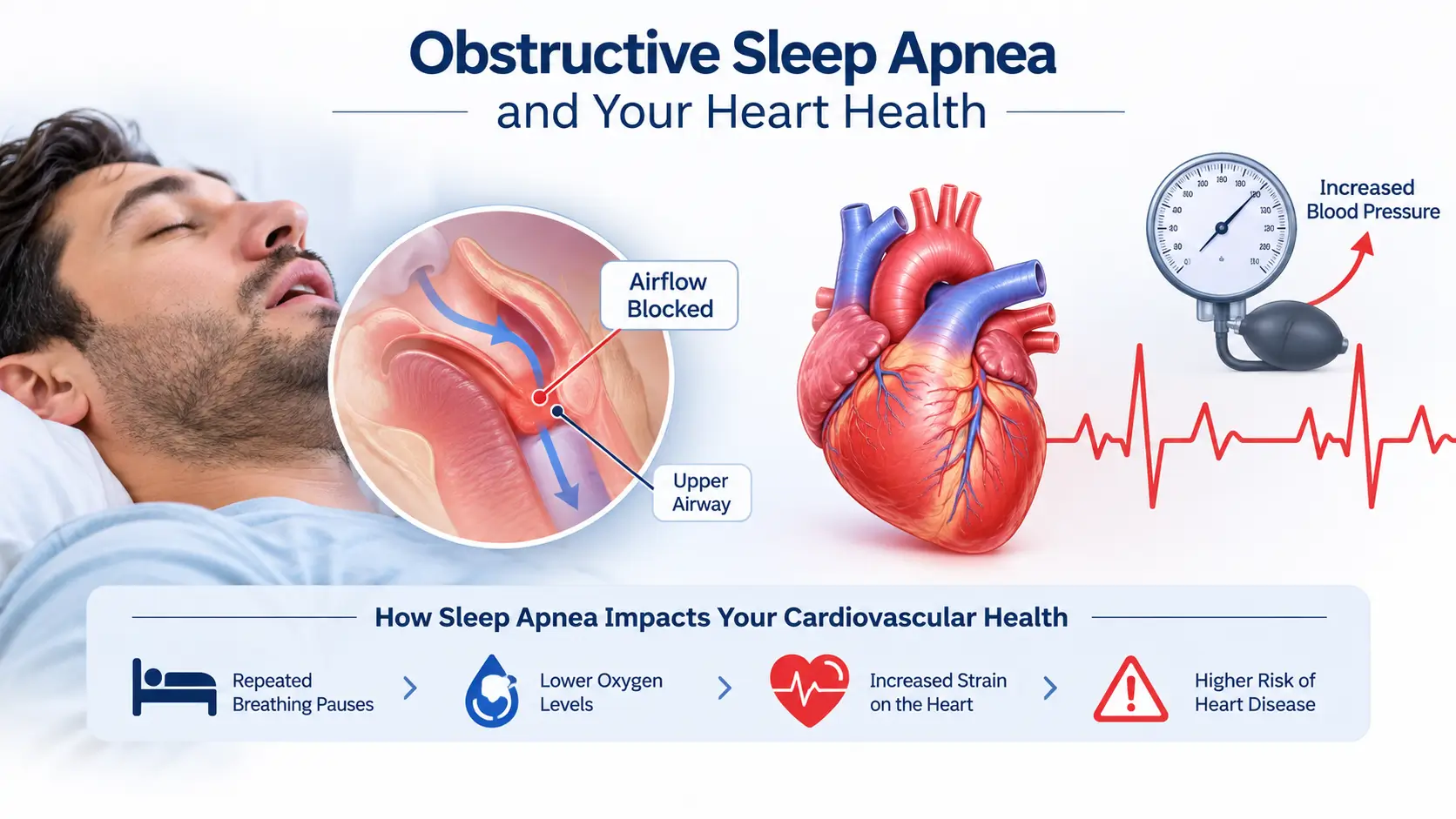
When breathing repeatedly stops or becomes restricted during sleep, oxygen levels may drop, blood pressure can fluctuate, and the cardiovascular system experiences additional stress. Over time, these changes may contribute to cardiovascular health problems.
Research has linked obstructive sleep apnea (OSA) with high blood pressure, atrial fibrillation, coronary artery disease, heart failure, and stroke.
Understanding how sleep apnea affects your heart can help you recognize warning signs, seek appropriate testing, and take meaningful steps toward better sleep and cardiovascular health.
What Is Sleep Apnea?
Sleep apnea is a sleep disorder characterized by repeated interruptions or reductions in breathing during sleep.
The most common form, obstructive sleep apnea, occurs when the muscles supporting the upper airway relax, allowing the airway to narrow or collapse.
These episodes can occur repeatedly throughout the night, disrupting normal breathing and sleep.
Common symptoms include:
- Loud or frequent snoring
- Gasping or choking during sleep
- Breathing pauses noticed by a partner
- Excessive daytime sleepiness
- Morning headaches
- Difficulty concentrating
- Waking up feeling unrefreshed
Some individuals have sleep apnea without noticeable daytime sleepiness, making the condition harder to recognize.
According to the National Heart, Lung, and Blood Institute (NHLBI), untreated sleep apnea can contribute to serious health complications, including cardiovascular problems.
The Connection Between Sleep Apnea and Heart Health
During healthy sleep, blood pressure generally decreases, allowing the cardiovascular system to experience a period of relative rest.
Obstructive sleep apnea can interfere with this process.
When the airway becomes blocked, several changes may occur.
Repeated Drops in Oxygen Levels
During an apnea episode, breathing is reduced or temporarily interrupted. This can lower oxygen levels in the blood.
Repeated oxygen fluctuations may contribute to oxidative stress, inflammation, and changes in blood vessel function.
Activation of the Stress Response
When oxygen levels fall, the body activates the sympathetic nervous system.
This response can increase heart rate and blood pressure as the body works to restore normal breathing.
Repeated activation throughout the night may contribute to cardiovascular strain.
Changes in Chest Pressure
When a person attempts to breathe against a blocked airway, pressure inside the chest changes.
These pressure fluctuations can affect the heart and circulation, particularly in people with existing cardiovascular conditions.
Disrupted Sleep
Repeated awakenings and fragmented sleep may affect normal cardiovascular regulation.
Together, these mechanisms help explain why sleep apnea is associated with several heart and blood vessel conditions.
5 Ways Sleep Apnea Can Affect Your Heart
1. Sleep Apnea and High Blood Pressure
High blood pressure, also known as hypertension, is one of the strongest cardiovascular associations with obstructive sleep apnea.
During an apnea episode, oxygen levels may fall, triggering a stress response that temporarily raises blood pressure.
When this happens repeatedly, it can interfere with normal nighttime blood pressure regulation.
Sleep apnea is especially common among people with resistant hypertension, a condition in which blood pressure remains above target despite treatment with multiple medications.
If you have high blood pressure along with loud snoring, nighttime gasping, or daytime fatigue, your healthcare provider may recommend a sleep apnea evaluation.
Treating sleep apnea may help lower blood pressure in some patients, but it does not replace prescribed hypertension treatment.
2. Sleep Apnea and Irregular Heartbeats
Sleep apnea is associated with certain abnormal heart rhythms, particularly atrial fibrillation (AFib).
Atrial fibrillation occurs when the upper chambers of the heart beat irregularly, sometimes causing a rapid or uncomfortable heartbeat.
Repeated oxygen fluctuations, changes in nervous system activity, and pressure changes inside the chest may contribute to the development or persistence of abnormal heart rhythms.
Some people with AFib experience palpitations, fatigue, or shortness of breath, while others have no noticeable symptoms.
Patients with recurrent atrial fibrillation may benefit from discussing sleep apnea screening with their cardiologist.
Although treating sleep apnea is important for overall health, CPAP therapy is not guaranteed to prevent atrial fibrillation or its recurrence.
3. Sleep Apnea and Coronary Artery Disease
Coronary artery disease develops when the arteries supplying blood to the heart become narrowed, usually because of plaque buildup.
Obstructive sleep apnea is associated with coronary artery disease, although the relationship involves several factors.
Repeated oxygen fluctuations, inflammation, and blood pressure changes may contribute to cardiovascular stress.
Other risk factors, including smoking, diabetes, high cholesterol, obesity, and family history, also play important roles.
For patients with both sleep apnea and coronary artery disease, managing each condition appropriately is essential.
4. Sleep Apnea and Heart Failure
Heart failure occurs when the heart cannot pump blood effectively enough to meet the body's needs.
Sleep disordered breathing is common among people with heart failure. Both obstructive and central sleep apnea may occur in this population.
These conditions can complicate one another.
Sleep apnea may contribute to nighttime oxygen fluctuations and cardiovascular stress, while heart failure itself can affect breathing patterns during sleep.
Patients with heart failure who experience snoring, gasping, unexplained fatigue, or disrupted sleep should discuss these symptoms with their healthcare team.
Treatment must be individualized because different types of sleep apnea may require different approaches, particularly in people with heart failure.
5. Sleep Apnea and Stroke Risk
Obstructive sleep apnea is associated with an increased risk of stroke.
High blood pressure, atrial fibrillation, and other cardiovascular conditions can contribute to this relationship.
Repeated nighttime oxygen fluctuations and changes in blood vessel function may also play a role.
However, sleep apnea is only one of several factors influencing stroke risk.
Managing blood pressure, diabetes, cholesterol, smoking, and other cardiovascular risk factors remains essential.
Can Sleep Apnea Damage Your Heart Permanently?
This is a common concern among patients diagnosed with obstructive sleep apnea.
Sleep apnea is associated with cardiovascular changes, and prolonged untreated disease may contribute to cardiovascular problems in some individuals.
However, not everyone with sleep apnea develops heart disease, and the effects vary according to disease severity, existing health conditions, and other risk factors.
Some physiological effects, such as repeated nighttime oxygen drops and breathing interruptions, can improve with effective treatment.
Other cardiovascular conditions may require ongoing medical management.
This is why early evaluation and coordinated care are important.
Who Should Be Screened for Sleep Apnea?
Sleep apnea screening may be particularly relevant for people who have symptoms of obstructive sleep apnea or certain cardiovascular conditions.
Factors that may increase concern include:
- Resistant or poorly controlled hypertension
- Recurrent atrial fibrillation
- Heart failure
- Obesity
- Loud habitual snoring
- Witnessed breathing pauses
- Persistent daytime sleepiness
A healthcare provider can determine whether a sleep study is appropriate based on symptoms, medical history, and overall risk.
How Is Sleep Apnea Diagnosed?
A sleep specialist may recommend testing when symptoms and medical history suggest obstructive sleep apnea.
Two common diagnostic approaches are used.
Home Sleep Apnea Testing
A home sleep apnea test monitors breathing related measurements while you sleep in your own home.
It may be appropriate for selected adults with suspected moderate to severe obstructive sleep apnea who do not have significant complicating medical conditions.
In Lab Sleep Study
An overnight sleep study, also called polysomnography, measures multiple physiological signals during sleep.
It may be preferred for patients with significant cardiorespiratory disease, suspected central sleep apnea, or other complicated sleep related concerns.
A negative or inconclusive home sleep apnea test does not necessarily rule out obstructive sleep apnea. Additional in lab testing may be needed when clinical suspicion remains high.
Can CPAP Therapy Improve Heart Health?
Continuous Positive Airway Pressure (CPAP) therapy is a commonly prescribed treatment for obstructive sleep apnea.
It delivers pressurized air through a mask to help keep the upper airway open during sleep.
When used effectively, CPAP can reduce breathing interruptions, improve oxygen stability, and decrease sleep apnea related symptoms.
Some patients may also experience improvements in blood pressure.
However, CPAP has not been proven to prevent heart attacks, strokes, or cardiovascular death in every patient with sleep apnea.
Its benefits depend on several factors, including individual health conditions and treatment use.
CPAP should be part of a comprehensive care plan rather than a substitute for cardiovascular medications or other recommended treatments.
Patients should use CPAP whenever sleeping, unless their treating clinician recommends otherwise.
Sleep Apnea and Heart Health: A Self Assessment
Ask yourself the following questions:
- Do I snore loudly on most nights?
- Has anyone noticed that I stop breathing while asleep?
- Do I wake up gasping or choking?
- Do I feel tired even after spending enough time in bed?
- Do I have high blood pressure that is difficult to control?
- Have I been diagnosed with atrial fibrillation or heart failure?
- Do I frequently wake up with headaches or feel unusually sleepy during the day?
If you answered yes to several questions, consider discussing sleep apnea screening with your healthcare provider.
This checklist cannot diagnose sleep apnea or determine your cardiovascular risk.
Important: Chest pain, severe shortness of breath, fainting, or symptoms of stroke require immediate emergency evaluation. Call 911 in the United States.
Frequently Asked Questions
1. Can sleep apnea cause heart disease?
Obstructive sleep apnea is associated with several cardiovascular conditions, including hypertension, coronary artery disease, atrial fibrillation, and heart failure. The relationship involves multiple mechanisms and risk factors.
2. Does sleep apnea make your heart work harder?
During obstructive breathing episodes, changes in oxygen levels, nervous system activity, and pressure inside the chest can place additional stress on the cardiovascular system.
3. Can sleep apnea cause a heart attack while sleeping?
Sleep apnea is associated with cardiovascular disease and may contribute to cardiovascular risk. However, it does not mean that a person with sleep apnea will experience a heart attack during sleep. Chest pain or other possible heart attack symptoms require emergency medical attention.
4. Can treating sleep apnea lower blood pressure?
CPAP treatment may modestly reduce blood pressure in some patients, particularly those with hypertension. Individual responses vary, and prescribed blood pressure treatment should continue unless a healthcare provider recommends changes.
5. Can sleep apnea cause heart palpitations?
Sleep apnea is associated with certain heart rhythm disorders, including atrial fibrillation. However, palpitations can have many causes and should be evaluated by a healthcare professional.
6. Should I get tested for sleep apnea if I have heart disease?
Some patients with cardiovascular disease may benefit from sleep apnea evaluation, especially those with resistant hypertension, recurrent atrial fibrillation, or symptoms suggesting sleep apnea. Discuss testing with your healthcare provider.
7. Will CPAP completely reverse the effects of sleep apnea on my heart?
CPAP can effectively control obstructive breathing events while being used and may improve some cardiovascular measures. However, it cannot guarantee reversal of existing heart disease or prevention of future cardiovascular events.
The Bottom Line
Sleep apnea is not simply a snoring problem. Repeated breathing interruptions can affect oxygen levels, blood pressure, heart rhythm, and cardiovascular function.
Recognizing symptoms and obtaining an appropriate diagnosis are important steps toward managing the condition.
Effective treatment can improve breathing during sleep, reduce daytime symptoms, and support overall health. For patients with cardiovascular conditions, coordinated care between sleep specialists and other healthcare providers is particularly valuable.
At Athens Sleep and Wellness Center, we believe better sleep is an important part of better health.
If you experience loud snoring, nighttime gasping, persistent fatigue, or other symptoms of sleep apnea, contact Athens Sleep and Wellness Center to discuss a sleep evaluation and personalized treatment options.
Taking care of your sleep is one meaningful step toward taking care of your heart.
Medical References
- American Heart Association: Obstructive Sleep Apnea and Cardiovascular Disease: A Scientific Statement From the American Heart Association
- National Heart, Lung, and Blood Institute: Sleep Apnea
- National Heart, Lung, and Blood Institute: CPAP
- American Academy of Sleep Medicine: Clinical Practice Guideline for Diagnostic Testing for Adult Obstructive Sleep Apnea
- American Academy of Sleep Medicine: Treatment of Adult Obstructive Sleep Apnea With Positive Airway Pressure