Judah is the Marketing Lead at Medical Office Force. He specializes in new technology growth and on practical insights that help clinics succeed in a rapidly changing healthcare landscape.
Medically Reviewed by: Subodh K. Agrawal, MD, FACC Medical Director, Medical Office Force
Last updated on April 1, 2026
Loud snoring can be harmless. When it occurs with breathing pauses, gasping, or persistent daytime sleepiness, it may indicate obstructive sleep apnea. A clear evaluation can help you determine whether treatment is needed and what options may be appropriate for your condition.
What to notice at home
Pay attention to how often snoring happens and what accompanies it.
Key signs that suggest an evaluation is needed include witnessed pauses in breathing, gasping or choking sounds, or waking unrefreshed.
Daytime sleepiness and trouble concentrating are also important symptoms to pay attention to.
Take note of how often these symptoms occur and how they affect you over several nights. This information will help your clinician understand your concerns during the first visit
Why evaluation matters
When breathing repeatedly stops or becomes very shallow during sleep, it can fragment restorative sleep and reduce oxygen briefly. Over time this pattern contributes to fatigue, reduced alertness, and increased health risk.
Finding out whether snoring is primary or caused by sleep apnea is the first step toward getting safer, more restful sleep.
How diagnosis works here at Athens Sleep and Wellness Center
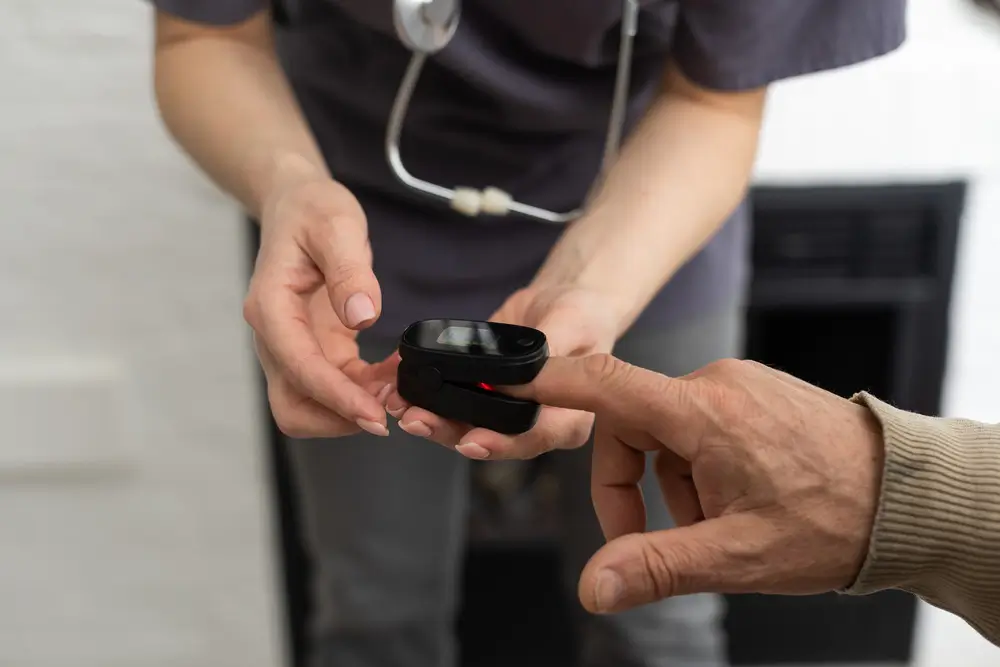
Athens Sleep & Wellness Center uses home sleep testing for many adults where breathing patterns are observed. The test helps patients to provide the data clinicians need to determine whether sleep apnea is present and how severe it is.
After the study, a sleep clinician will review the results to get a clear understanding of your diagnosis. Together, we will come up with a solution that fits your lifestyle. For more information, see the clinic testing page: https://www.ahcsleepcenter.com/
Treatment options we discuss and provide
After a clear diagnosis, the clinic works with you to choose the most appropriate, evidence-based option for your situation and preferences.
CPAP therapy. It is a standard treatment for moderate to severe sleep apnea. If CPAP is recommended after testing, your clinician will explain how it works and discuss options for device support and follow-up.
Oral appliance therapy. If your test indicates mild to moderate sleep apnea, or if CPAP is not tolerated, a custom oral appliance that repositions the jaw may be an appropriate alternative. The clinic discusses candidacy, expectations, and next steps for obtaining a device.
Sleep and lifestyle guidance. Practical measures such as improving sleep habits, treating nasal congestion, and adjusting sleep position are part of the plan when they may help. Your clinician will explain small changes that can reduce snoring and improve sleep quality.
Follow-up and ongoing care
Testing is only the first step. The clinic schedules follow-up visits to review how treatment is working and to make adjustments as needed.
These visits focus on solving common problems, improving comfort, and making sure the chosen plan fits your daily life.
Practical steps before your visit
Keep a short sleep diary for three to seven nights.
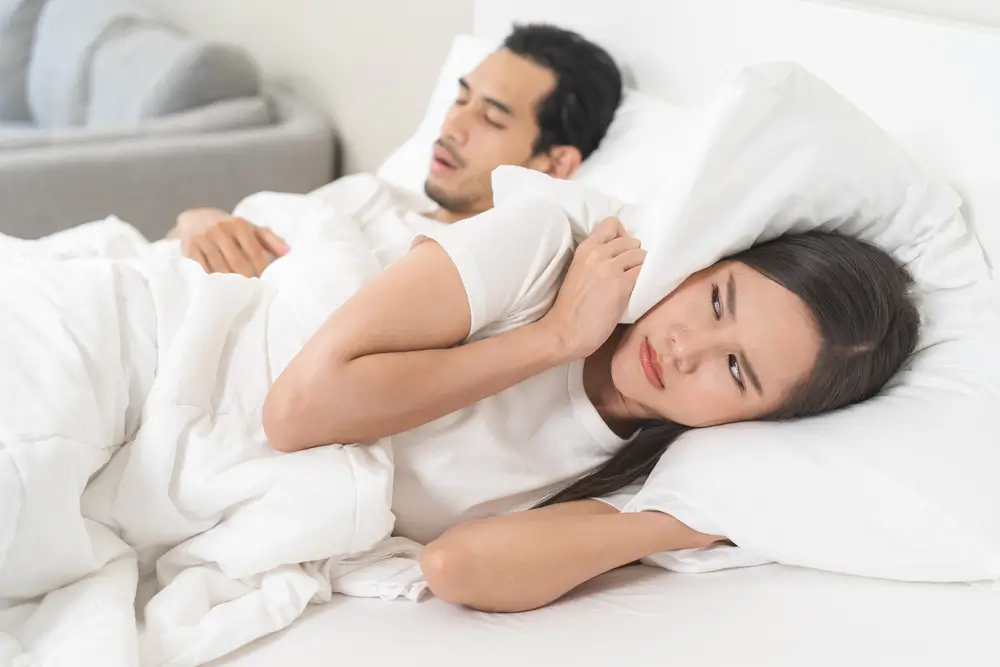
Ask a partner to note any pauses, choking, or gasping during sleep.
Bring a current medication list to your appointment.
Final note and next step
Many people feel immediate relief simply by knowing what is happening at night. If you suspect your snoring may be more than a nuisance, a home sleep test is a discreet, practical way to find out.
To learn more about testing and treatment at Athens Sleep & Wellness Center, visit:https://www.ahcsleepcenter.com/ or contact the clinic through the website for details and scheduling.




Share Your Thoughts
No comments yet — be the first to comment!