
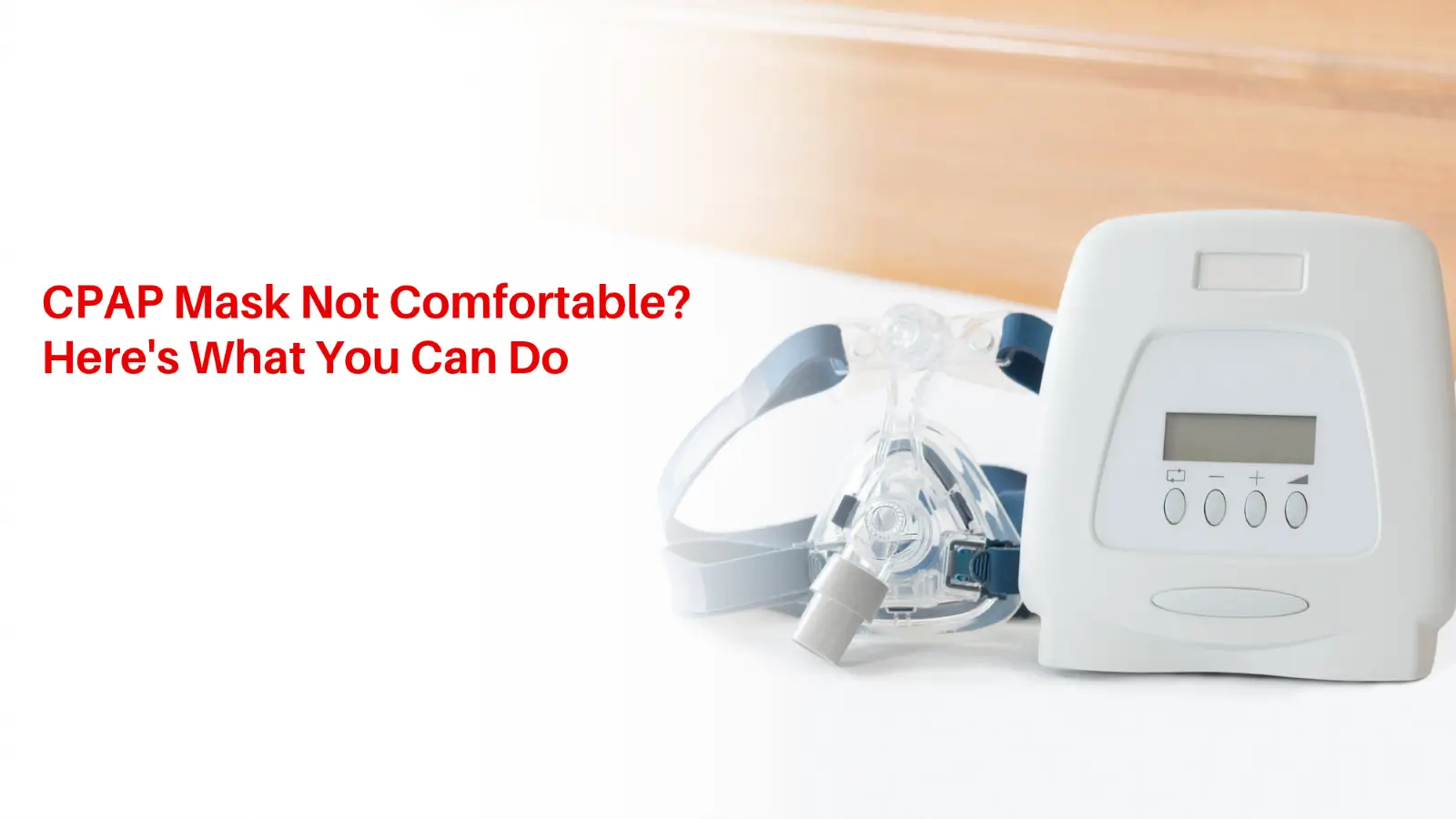
CPAP Mask Not Comfortable? Here's What You Can Do
Published By: Athens Sleep and Wellness Center at Athens Heart Center
Location: 2005 Prince Ave, Athens, GA 30606 | Phone: (706) 613-6990
Clinical Oversight: Directed by Subodh K. Agrawal, MD, FACC — dual board-certified in cardiovascular disease and sleep medicine, committed to optimizing CPAP adherence and long-term health outcomes.
Starting CPAP therapy can take some adjustment. Although the machine helps keep your airway open while you sleep, wearing a mask throughout the night may feel unfamiliar at first. You might notice pressure on your nose, air leaking around the cushion, dry mouth, skin irritation, or a feeling that the mask is too restrictive.
If your CPAP mask is uncomfortable, you are not alone. The good news is that many common problems can be improved with the right mask fit, small adjustments, and guidance from your sleep care team.
The goal is not simply to wear a mask. It is to find a comfortable, effective setup that allows you to use your prescribed therapy consistently. Explore our guide to CPAP therapy benefits and ongoing care to see how staying consistent protects your health.
In this guide, Athens Sleep and Wellness Center explains why CPAP masks can feel uncomfortable, what you can do about common problems, and when to seek professional help.
Why Does Your CPAP Mask Feel Uncomfortable?
CPAP masks come in different shapes, sizes, and designs. A mask that works well for one person may not suit another. Comfort depends on your facial structure, breathing habits, sleep position, mask fit, and individual preferences.
Some discomfort is related to getting used to a new sensation, while other problems indicate that the mask or equipment needs adjustment.
Common reasons for CPAP mask discomfort include:
- Incorrect mask size: A mask that is too large or too small may leak air, press against your skin, or move while you sleep.
- Overtightened straps: Pulling the straps too tightly can create pressure marks and may interfere with the mask seal.
- The wrong mask style: A bulky mask may feel restrictive, while a nasal mask may not work well if you regularly breathe through your mouth.
- Air leaks: Escaping air can cause noise, dry eyes, irritation, and disrupted sleep.
- Skin sensitivity: Repeated contact with mask cushions or headgear can cause redness, itching, or soreness.
- Dryness or congestion: Airflow can contribute to dry mouth, a stuffy nose, or nasal irritation.
- Difficulty adjusting to CPAP: Some people initially feel confined or uncomfortable wearing a mask while trying to fall asleep.
Identifying the specific problem is the first step toward making CPAP therapy more manageable.
1. Check Your CPAP Mask Fit
A properly fitted mask should feel secure without digging into your skin. If you need to tighten the straps excessively to prevent leaks, the mask may be the wrong size or style. For detailed instructions on interface selection, read our complete guide to CPAP masks and fitting options.
Try these steps to improve the fit:
- Put on your mask while lying down: Your facial position can change when you lie down, so check the fit in your usual sleeping position.
- Turn the machine on before making final adjustments: Follow your mask manufacturer's instructions and adjust the headgear while the machine is running, if recommended for your model.
- Avoid overtightening: Tight straps can distort the cushion and create additional leaks. Make small adjustments until the mask seals comfortably.
- Check the cushion: Look for visible cracks, worn material, stiffness, or damage that may affect the seal.
If air continues to escape or the mask causes pain, ask your CPAP equipment supplier or sleep care team to reassess the fit during a CPAP clinic visit. Mask sizing varies by design and manufacturer, so the size you use with one model may not fit another.
2. Reduce Skin Irritation and Pressure Marks
Redness around the nose, cheeks, or forehead can make it difficult to wear a mask comfortably. Repeated friction, excessive strap tension, moisture, or a poorly fitting cushion may contribute to irritation.
To help protect your skin, wash your face before putting on the mask and clean the mask according to the manufacturer's instructions. Remove facial oils and residue that may interfere with the seal.
If the mask leaves pressure marks, check the fit rather than automatically tightening or loosening every strap. Your equipment supplier may recommend a different cushion, headgear adjustment, or a compatible mask liner.
Use only skin products that are compatible with your mask materials and manufacturer's guidance. Oil-based or petroleum-based products can damage some mask cushions or interfere with their seal.
Contact your healthcare provider if you develop persistent redness, painful sores, broken skin, or worsening irritation. Do not continue using a mask that is causing significant skin injury without seeking advice about a safer alternative.
3. Address Air Leaks Around the Mask
Air leaks are a common reason people wake up during the night or find their CPAP equipment frustrating.
You may hear a hissing sound, feel air blowing toward your eyes, or notice that your mouth becomes dry. Leaks may occur because the cushion is worn, the mask is incorrectly positioned, the straps are too loose, or the mask does not suit your face.
Start by repositioning the mask according to the manufacturer's instructions. Check the cushion and headgear for wear, and make sure the tubing is securely connected.
If air continues to escape, do not keep tightening the straps indefinitely. Excessive pressure can make the seal worse or cause discomfort.
Your sleep care team can review the mask fit and, where available, assess leak information recorded by your CPAP machine. They may recommend a different cushion, mask style, or equipment adjustment.
4. Manage Dry Mouth, Nasal Congestion, and Dryness
Some people experience a dry mouth, dry nose, nasal congestion, or irritation when they begin CPAP therapy.
These symptoms can have different causes, including mouth breathing, air leaks, environmental dryness, allergies, or the way the device is configured.
Depending on the problem, your clinician may recommend:
- A compatible heated humidifier to add moisture to the airflow.
- Checking the mask seal and whether you breathe through your mouth during sleep.
- Saline nasal products or other appropriate treatment for nasal congestion.
- Reviewing the mask style if mouth breathing is contributing to discomfort.
- Checking the humidification and tubing settings on your device.
Do not assume that every case of dry mouth requires a full face mask. The right solution depends on the cause and your individual treatment needs.
If dryness persists, causes nosebleeds, or makes therapy difficult to tolerate, contact your sleep care team for guidance.
5. Ease Into Wearing Your CPAP Mask
A mask can feel strange when you first begin therapy. Some people find it difficult to fall asleep with headgear on their face, while others feel anxious or confined.
Gradual practice may help you become more familiar with the equipment.
Start by wearing the mask for short periods while awake, such as when reading or watching television. Once you feel more comfortable, practice wearing it with the machine running according to your equipment instructions. A consistent bedtime routine may also help you relax.
If you feel claustrophobic, tell your sleep specialist. A less bulky mask may be more comfortable, and your provider can assess whether a prescribed comfort feature, such as a ramp setting, is appropriate.
Do not change prescribed pressure settings on your own. If breathing against the airflow feels difficult, your clinician can assess the device and determine whether adjustments are needed.
Remember that becoming comfortable with CPAP can take time. Persistent difficulty is a reason to ask for support, not a reason to assume treatment cannot work for you. Learn what happens during a CPAP clinic visit to see how our clinical staff supports your transition.
6. Know When to Replace Your CPAP Mask
Mask cushions, headgear, and other components can wear out over time. Material may become stiff, straps may stretch, and cushions may lose their ability to create a reliable seal.
Inspect your equipment regularly and follow the manufacturer's cleaning and replacement instructions. Clean your mask and tubing as directed, and allow components to dry appropriately.
If you notice persistent leaks, visible damage, or a decline in comfort despite correct adjustment, ask your equipment supplier whether replacement is appropriate. Replacement timing depends on the equipment, its condition, and your supplier's guidance.
For additional authoritative guidance on sleep apnea equipment and therapy adherence, consult the National Heart, Lung, and Blood Institute (NHLBI) CPAP resource.
When Should You Contact Your Sleep Specialist?
Occasional adjustment may be expected when starting CPAP, but ongoing discomfort should not be ignored. Consistent use is crucial for your cardiovascular health; medical research highlights how CPAP therapy can lower mortality risks and protect heart health over time.
Contact your sleep care team if:
- Your mask repeatedly leaks or will not stay in place.
- You develop persistent skin irritation, pressure sores, or pain.
- You experience ongoing dry mouth, nasal symptoms, or nosebleeds.
- You feel claustrophobic or regularly remove the mask during sleep.
- You cannot tolerate the prescribed pressure or have difficulty exhaling.
- You continue to feel excessively sleepy despite using your therapy.
- Your machine's data or symptoms suggest that treatment may not be working as intended.
Your provider can review your symptoms, mask fit, device data, and treatment settings to identify possible solutions. If you suspect sleep apnea but have not yet received a formal diagnosis, scheduling a home sleep study in Athens is the first step.
If you experience severe breathing difficulty while awake, chest pain, fainting, or another potentially life-threatening symptom, seek emergency medical care rather than assuming the problem is simply related to mask comfort.
Do not stop prescribed CPAP therapy or make major treatment changes without discussing your concerns with your healthcare provider.
How to Make Your CPAP Mask More Comfortable
If your CPAP mask feels uncomfortable, start by identifying what is causing the problem. Is it too tight, leaking air, irritating your skin, or making it difficult to fall asleep?
- Mask feels too tight: Check the fit and avoid overtightening the straps.
- Air leaks around the mask: Reposition the mask and check the cushion for wear.
- Dry mouth or nose: Ask your sleep specialist whether humidification or a different mask style may help.
- Skin irritation: Clean your mask as directed and seek advice if redness or soreness persists.
- Feeling anxious or confined: Practice wearing the mask briefly while awake and discuss alternative designs with your sleep care team.
If discomfort continues, contact your sleep specialist or CPAP equipment provider. Do not stop prescribed CPAP therapy or change pressure settings without consulting your healthcare provider.
Frequently Asked Questions About CPAP Mask Comfort
1. Is it normal for a CPAP mask to feel uncomfortable at first?
Yes. The mask and airflow may feel unfamiliar when you first begin therapy. Gradual practice and correct fitting can help. Persistent pain, leaks, or difficulty tolerating the mask should be discussed with your sleep care team.
2. Should my CPAP mask be tight against my face?
The mask should fit securely enough to create a seal without causing pain or excessive pressure. Overtightening can distort the cushion and contribute to leaks. Follow the manufacturer's fitting instructions and ask for professional help if you cannot achieve a comfortable fit.
3. Which CPAP mask is best for comfort?
There is no single best mask for everyone. Nasal pillows provide minimal facial contact, nasal masks cover the nose, and full face masks cover the nose and mouth. Your breathing habits, facial structure, sleep position, and treatment requirements help determine the most appropriate option.
4. How can I stop my CPAP mask from leaking air?
Reposition the mask, check the cushion and headgear, and make small adjustments according to the manufacturer's instructions. If leaks persist, ask your equipment supplier to reassess the size, style, and condition of the mask.
5. What can I do if my CPAP mask causes dry mouth?
Dry mouth may be associated with mouth breathing, air leaks, or insufficient humidification. Your clinician can help identify the cause and discuss suitable solutions, including checking the mask fit or using compatible humidification.
6. Can I use a CPAP mask liner or moisturizer?
Some compatible mask liners or skin products may help reduce friction and irritation. Check the mask manufacturer's instructions and consult your equipment supplier before using them. Avoid products that may damage the cushion or interfere with the seal, and seek medical advice for persistent skin problems.
7. Should I stop using CPAP if my mask is uncomfortable?
Do not abandon prescribed therapy without discussing the problem with your healthcare provider. Many comfort issues can be addressed through fitting adjustments, different mask styles, or clinician-guided changes. If you experience significant pain, skin injury, or concerning symptoms, seek appropriate medical advice promptly.
Expert Care in Athens, Georgia
At the Athens Sleep and Wellness Center, managed alongside the expert medical team at Athens Heart Center on Prince Avenue, we understand that successful sleep apnea treatment involves more than receiving a CPAP machine. Ongoing guidance, refitting, and clinical follow-up can help patients address comfort concerns and use their therapy effectively.
Explore our sleep educational resources or contact our clinical team to schedule your follow-up appointment or mask fitting.
Athens Sleep and Wellness Center
📍 Location: 2005 Prince Ave, Athens, GA 30606
📞 Phone: (706) 613-6990
🌐 Website: ahcsleepcenter.com
References & Clinical Guidelines
- American Academy of Sleep Medicine (AASM). Clinical Practice Guideline for Diagnostic Testing for Adult Obstructive Sleep Apnea. Journal of Clinical Sleep Medicine. Accessible via: aasm.org.
- National Heart, Lung, and Blood Institute (NHLBI). CPAP Basics, Optimization, and Compliance Guidelines. U.S. Department of Health and Human Services. Accessible via: nhlbi.nih.gov.
- Patil, S. P., et al. (2019). Treatment of Adult Obstructive Sleep Apnea With Positive Airway Pressure: An American Academy of Sleep Medicine Clinical Practice Guideline. Journal of Clinical Sleep Medicine, 15(2), 335–343.
- Gay, P., et al. (2006). Evaluation of Positive Airway Pressure Treatment for Sleep Apnea in Adults. Sleep, 29(3), 381–401.
Medical Disclaimer: This article is intended for educational purposes only and does not replace professional medical advice, diagnosis, or treatment. Always consult a qualified healthcare provider regarding your CPAP therapy, mask fitting, or machine settings. Never alter prescribed pressure settings without medical supervision.